
Divine Liturgy of St. John Chrysostom: A Comprehensive Overview
Discover accessible PDF resources like Mateos’ 1964 Divina Liturgia, alongside modern online options and streaming services for experiencing this sacred rite.
Historical Context of the Liturgy
The Divine Liturgy of St. John Chrysostom didn’t emerge in isolation; it’s a culmination of centuries of liturgical development within the early Christian Church. Its roots trace back to the liturgies of St. James and St. Basil, gradually evolving through practices in Antioch and Constantinople.
St. John Chrysostom, Archbishop of Constantinople in the late 4th and early 5th centuries, refined and standardized these existing forms. While he didn’t create the liturgy entirely, his influence cemented its structure and the inclusion of specific hymns and prayers.
Interestingly, access to this historical treasure has been broadened through modern digitization. Resources like downloadable PDF versions – such as Mateos’ 1964 Divina Liturgia – allow wider study and participation. Furthermore, online platforms and streaming services now offer opportunities to experience the liturgy, connecting contemporary worshippers with this ancient tradition. The availability of these resources underscores the enduring relevance of St. John Chrysostom’s liturgical legacy.
Origins and Development
The origins of the Divine Liturgy are deeply interwoven with the liturgical practices of the early Church, predating St. John Chrysostom. Initial forms drew heavily from the Liturgy of St. James and the more solemn Liturgy of St. Basil, both reflecting Jewish prayer traditions and early Christian worship.
Over time, these liturgies underwent regional variations, particularly in Antioch and Constantinople. The Constantinopolitan rite, favored by St. John, became the foundation for his refined version. He streamlined the existing structure, adding specific prayers and hymns that emphasized theological clarity and devotional depth.

Today, accessing these historical developments is facilitated by resources like digitized PDF copies of liturgical texts, such as Mateos’ 1964 Divina Liturgia. These materials, alongside modern online access via platforms like KION Music featuring Nikolai Korndorf’s 1978 composition, demonstrate the liturgy’s continued evolution and accessibility for study and worship.
St. John Chrysostom’s Influence
St. John Chrysostom, Archbishop of Constantinople (398-407), didn’t create the liturgy entirely, but significantly refined and popularized an existing Constantinopolitan rite. His influence lies in his masterful editing, imbuing the service with eloquent prayers and a heightened sense of spiritual intensity.
He focused on clarity and accessibility, ensuring the liturgy resonated with both the educated and the common people. His revisions emphasized themes of repentance, thanksgiving, and the transformative power of the Eucharist. This accessibility contributed to its widespread adoption.
Modern scholarship and liturgical practice are deeply indebted to the preservation of his work, often found in readily available PDF formats like Mateos’ 1964 Divina Liturgia. Furthermore, musical settings, such as Roman Hurko’s Liturgy No.2 album, showcase the enduring impact of his liturgical vision, accessible even through platforms like KION Music.
The Liturgy in the Byzantine Tradition
Within the Byzantine Tradition, the Divine Liturgy of St. John Chrysostom stands as the most frequently celebrated Eucharistic service. It forms the core of Orthodox worship, embodying centuries of theological reflection and spiritual practice. Its structure and hymns are deeply ingrained in the cultural and religious identity of Orthodox Christians.
The liturgy’s enduring popularity is reflected in its widespread availability in various forms, including comprehensive PDF versions like Mateos’ 1964 Divina Liturgia. These resources facilitate study and participation. Moreover, musical interpretations, such as those by Nikolai Korndorf (1978) and Roman Hurko, preserve and transmit the Byzantine chant tradition.
Access to these materials, even through modern platforms and online streaming, demonstrates the liturgy’s continued relevance. Digital formats allow for broader engagement, while maintaining the integrity of this foundational Byzantine rite.
Structure of the Divine Liturgy
The Divine Liturgy of St. John Chrysostom is meticulously structured into three principal parts: the Liturgy of the Catechumens, the Liturgy of the Faithful, and the Liturgy After Communion. Each section builds upon the previous, culminating in the reception of Holy Communion.
Detailed guides, often available as PDF documents like Mateos’ 1964 edition, meticulously outline these phases. These resources showcase the progression from initial prayers and readings to the central Eucharistic celebration and concluding thanksgiving. Understanding this structure is key to appreciating the liturgy’s theological depth.
Furthermore, musical settings by composers like Korndorf and Hurko, documented in albums accessible online, complement the textual structure. These musical interpretations enhance the liturgical experience, providing a richer understanding of its flow and meaning, readily available for study.
The Three Main Parts
The Divine Liturgy unfolds in three distinct, yet interconnected, sections. First, the Liturgy of the Catechumens prepares those formerly undergoing instruction for baptism, featuring hymns and readings. Secondly, the Liturgy of the Faithful centers on the Eucharist, accessible to baptized Orthodox Christians, and includes the Creed and the Lord’s Prayer.
Finally, the Liturgy After Communion offers prayers of thanksgiving and dismissal. Comprehensive PDF guides, such as those detailing the Kievan Metropolitan Province’s usage (Huculak, 2024), illustrate these divisions. These resources provide a structured overview of each part’s purpose and components.
Moreover, accessing albums like Roman Hurko’s Liturgy No.2 allows experiencing the musical flow between these sections. These readily available resources, often found online, deepen understanding of the Liturgy’s organic progression.
The Liturgy of the Catechumens
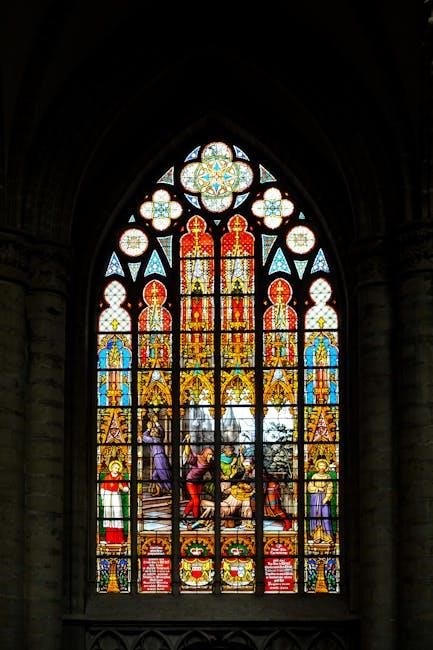
This initial segment of the Divine Liturgy historically prepared those – the ‘catechumens’ – undergoing instruction for Holy Baptism. It commences with introductory prayers and hymns, followed by scriptural readings and a homily. This portion emphasizes repentance and seeking God’s mercy.
Detailed PDF resources, like liturgical texts available online, showcase the specific prayers and antiphons recited during this stage. Examining historical adaptations, such as those practiced in the Kievan Metropolitan Province (Huculak, 2024), reveals variations in practice.
Furthermore, experiencing musical renditions, perhaps through albums like Roman Hurko’s Liturgy No.2, illustrates the solemn and instructional character of this part. Accessing these resources via platforms like KION Music or even WhatsApp Web enhances understanding of its significance within the broader Liturgy.
The Liturgy of the Faithful
This central portion, reserved for baptized Orthodox Christians, centers on the Eucharist – the mystical presence of Christ. It begins with the solemn procession of the Holy Gifts and includes the Cherubic Hymn, a pivotal moment of reverence and preparation. Detailed PDF liturgical texts clearly outline the prayers and actions performed by the priest and deacon.
Nikolai Korndorf’s 1978 composition beautifully exemplifies the musical depth of this section, enhancing the spiritual experience. Studying variations in regional traditions, as documented for the Kievan Province, reveals nuanced differences in practice.
Accessing resources online, potentially through Opera GX for optimized streaming, allows for immersive engagement. Examining downloadable PDF versions, like Mateos’ 1964 work, provides a tangible connection to the historical form of this sacred rite, deepening understanding of its profound theological meaning.
The Liturgy After Communion
Following the reception of Holy Communion, the Liturgy of St. John Chrysostom transitions to a phase of thanksgiving and spiritual reflection. This segment includes specific prayers of gratitude and dismissal, marking the completion of the Eucharistic celebration. Detailed PDF versions of the liturgy, such as those available for download, meticulously document each prayer and action.
Online resources and streaming services offer opportunities to witness this concluding portion, while platforms like WhatsApp Web can facilitate sharing liturgical texts among communities. Examining Roman Hurko’s Liturgy No.2 album provides insight into the musical accompaniment.
Researchers can access historical analyses, like those concerning the Kievan Metropolitan Province, to understand regional variations. Utilizing PDF documents allows for focused study of the post-communion prayers, fostering a deeper appreciation for the Liturgy’s holistic structure and spiritual impact.
Key Hymns and Prayers
Central to the Divine Liturgy are iconic hymns like the Cherubic Hymn and “Thine Own of Thine Own,” each imbued with profound theological meaning. These are meticulously transcribed within comprehensive PDF versions of the liturgy, enabling detailed study and accurate recitation. The recitation of the Creed, a foundational statement of faith, also holds a prominent place.
Nikolai Korndorf’s 1978 composition beautifully sets many of these hymns to music, while Roman Hurko’s Liturgy No.2 album provides further musical interpretations. Accessing these resources, often available as PDF sheet music, enhances understanding.
The Lord’s Prayer, universally recognized, is integral to the service. Studying PDF liturgical texts reveals the precise placement and context of these prayers, offering a richer appreciation for their significance within the broader liturgical framework and historical development.
Cherubic Hymn
The Cherubic Hymn, a pivotal moment in the Divine Liturgy, precedes the consecration and signifies the mystical presence of the angels. Detailed PDF versions of the liturgy meticulously present the hymn’s Greek text alongside English translations, aiding comprehension for diverse worshippers. These PDF resources often include musical notation, reflecting both Byzantine Chant traditions and modern compositions like those by Nikolai Korndorf (1978).
Roman Hurko’s Liturgy No.2 album features a musical setting of the hymn, offering an aural experience complementing textual study. Examining PDF liturgical books reveals the hymn’s placement within the sequence of prayers and its symbolic connection to the altar’s preparation.
Accessing these PDF documents allows for a deeper understanding of the hymn’s theological depth and its role in preparing the faithful for the Eucharist, fostering a more meaningful participation in the Divine Liturgy.
Thine Own of Thine Own
“Thine Own of Thine Own”, a profoundly moving hymn, marks the culmination of the preparatory rites before Holy Communion in the Divine Liturgy. Comprehensive PDF liturgical texts showcase the hymn’s placement and its significance in anticipating the mystical union with Christ. These PDF resources often include detailed rubrics guiding the priest and choir during its performance.
Byzantine Chant traditions, meticulously preserved in PDF scores, offer authentic melodic interpretations of “Thine Own of Thine Own”. Nikolai Korndorf’s 1978 composition provides a modern harmonic setting, also available in some liturgical PDF collections. Examining these resources reveals variations in regional traditions, such as those documented in the Kievan Metropolitan Province (1596-1839).
Digital PDF access facilitates a deeper appreciation of the hymn’s theological message – Christ offering Himself as a sacrifice for humanity – enriching the worshipper’s experience.
The Creed
The Nicene Creed, a foundational statement of Christian belief, occupies a central position within the Divine Liturgy of St. John Chrysostom. Numerous PDF versions of the liturgy meticulously present the Creed’s text, often in both original Greek and translated forms, facilitating accurate recitation and study.
Liturgical PDF resources demonstrate the Creed’s recitation immediately following the Litany of Fervent Supplication, signifying the Church’s unified confession of faith before proceeding to the Eucharist. Examining these PDF documents reveals variations in musical settings, from simple spoken declarations to elaborate Byzantine chant, as documented in various chant traditions.
Accessing the Creed within a complete liturgical PDF allows worshippers to understand its context and significance, strengthening their personal and communal affirmation of core Christian doctrines.
The Lord’s Prayer
Our Father, a prayer of profound significance, is integral to the Divine Liturgy of St. John Chrysostom. Comprehensive PDF versions of the liturgy consistently feature the Lord’s Prayer, often presented in multiple languages alongside the original Greek, enabling broader participation and understanding.
Liturgical PDF documents illustrate the prayer’s placement immediately after the exchange of the Peace, symbolizing reconciliation and unity before approaching the Eucharist. These resources often include notations regarding proper pronunciation and customary gestures during recitation.
Digital access to the liturgy via PDF allows for detailed study of the prayer’s theological depth and its connection to the liturgical flow. Variations in musical settings, as found in Nikolai Korndorf’s compositions, are also readily available within these PDF resources, enriching the worship experience.
Liturgical Music and Chant
PDF versions of the Divine Liturgy frequently incorporate musical notation for key hymns and chants, preserving the rich Byzantine Chant tradition. Resources showcase the melodies associated with the Cherubic Hymn and “Thine Own of Thine Own,” vital components of the service.
Nikolai Korndorf’s 1978 composition, a landmark achievement, is often available in PDF format, allowing choirs and chanters to access his innovative arrangements. Roman Hurko’s Liturgy No.2 album, with its 30 tracks, provides a comprehensive audio reference, complementing the visual PDF scores.
Detailed PDF liturgical books may include transliterations of Greek melodies into Western notation, aiding musicians unfamiliar with traditional Byzantine music. These resources facilitate the accurate performance and preservation of this ancient and beautiful musical heritage within the Divine Liturgy.
Byzantine Chant Tradition
PDF liturgical texts often serve as vehicles for preserving and transmitting the intricate melodies of Byzantine Chant, central to the Divine Liturgy of St. John Chrysostom. These documents frequently include musical notation, enabling faithful replication of ancient vocal traditions.
Accessing PDF versions allows musicians to study the nuances of Byzantine modes and ornamentation, crucial for authentic performance. Resources may present chants in Western notation alongside traditional Solfege, bridging the gap for modern musicians.
The availability of digitized PDF scores facilitates the wider dissemination of this unique musical heritage. Choirs can utilize these resources to learn and practice the complex harmonies and melodic lines, ensuring the continuation of the Byzantine Chant tradition within liturgical services. Korndorf’s work, often found in PDF, exemplifies this preservation.
Nikolai Korndorf’s Composition (1978)
Korndorf’s 1978 composition of the Divine Liturgy of St. John Chrysostom holds a significant place in modern liturgical music, and finding PDF versions of his score is highly sought after by choirs and musicians. Its creation a decade before official allowances marked a period of renewed interest in liturgical expression.
PDF distributions of Korndorf’s work often include full scores, vocal parts, and sometimes even recordings, aiding in accurate interpretation. These digital resources allow for detailed study of his harmonic language and melodic innovations within the traditional framework.
The accessibility of PDF copies has facilitated the widespread adoption of Korndorf’s setting, influencing liturgical practice in various Orthodox communities. Musicians appreciate the clarity and musicality of his arrangement, making it a popular choice for solemn and reverent worship. Obtaining a reliable PDF ensures faithful performance.
Roman Hurko’s Liturgy No.2 Album
Roman Hurko’s “Liturgy No.2” (The Divine Liturgy of St. John Chrysostom), featuring 30 tracks and a runtime of approximately 1 hour and 5 minutes, is readily available online through platforms like KION Music. While a direct PDF of the musical score isn’t typically bundled with the album, the audio provides a valuable resource for studying the liturgical structure and musical nuances.
Listeners can use the album to familiarize themselves with the melodies and harmonies employed in the Divine Liturgy, aiding in understanding and participation. Though not a PDF, the album serves as an aural guide to the service’s flow.

Searching for accompanying PDF sheet music or choral arrangements separately may yield results, allowing musicians to recreate Hurko’s interpretation. The album’s quality ensures a clear and immersive experience of this essential Orthodox worship service, complementing any PDF study.
Variations in Regional Traditions
The Divine Liturgy of St. John Chrysostom, while fundamentally consistent, exhibits regional variations impacting available PDF resources. Lawrence Huculak’s research details its use within the Kievan Metropolitan Province (1596-1839) during union with Rome, suggesting unique liturgical practices documented in historical texts – potentially accessible as digitized PDF archives.
Russian Orthodox Churches also demonstrate variations, meaning PDF versions may reflect specific diocesan or monastic customs. Finding a universally standardized PDF is challenging; instead, expect to encounter editions tailored to particular traditions.
Researchers and practitioners should seek PDFs originating from specific jurisdictions to accurately represent local practices. These variations extend to musical settings and textual nuances, highlighting the importance of context when utilizing any PDF liturgical text. Understanding these differences enriches appreciation for the Liturgy’s adaptability.
The Kievan Metropolitan Province (1596-1839)
During the period of union with Rome, the Divine Liturgy of St. John Chrysostom within the Kievan Metropolitan Province underwent unique adaptations, as meticulously researched by Lawrence Huculak in “Analecta OSBM” (2024). Locating PDF documents detailing these specific liturgical practices proves challenging, yet crucial for historical understanding.
The union likely introduced Latin influences, potentially altering rubrics or incorporating different hymnographical elements. Any extant PDFs from this era would be invaluable for tracing these developments, offering insight into a transitional liturgical landscape.
Scholarly efforts to digitize archival materials may yield PDF versions of liturgical books used during this period. These resources, if discovered, would illuminate the interplay between Byzantine tradition and Roman practices, providing a nuanced view of the Liturgy’s implementation within the Kievan Church.
Use in Russian Orthodox Churches
The Divine Liturgy of St. John Chrysostom remains the most frequently celebrated Eucharistic service within Russian Orthodox Churches today. Finding comprehensive PDF versions of the liturgical text, specifically tailored for Russian usage, is relatively straightforward, with numerous parishes and dioceses offering downloadable resources.
These PDFs often include the Slavonic text alongside transliterations and translations, aiding both clergy and faithful. Resources may also feature musical notation for the chanted portions, facilitating proper liturgical performance. Nikolai Korndorf’s 1978 composition, while influential, is typically experienced through performance rather than direct PDF access.
However, locating historical PDFs documenting variations in liturgical practice across different eras within the Russian Orthodox Church can be more difficult. Digitization projects are gradually making such materials accessible, offering valuable insights into the Liturgy’s evolving implementation.
Availability in PDF Format
Numerous PDF versions of the Divine Liturgy of St. John Chrysostom are readily available online, catering to diverse needs and preferences. Mateos’ 1964 Divina Liturgia offers a historical perspective, freely downloadable as a PDF file. Modern editions, often including musical notation and translations, are also widely accessible.
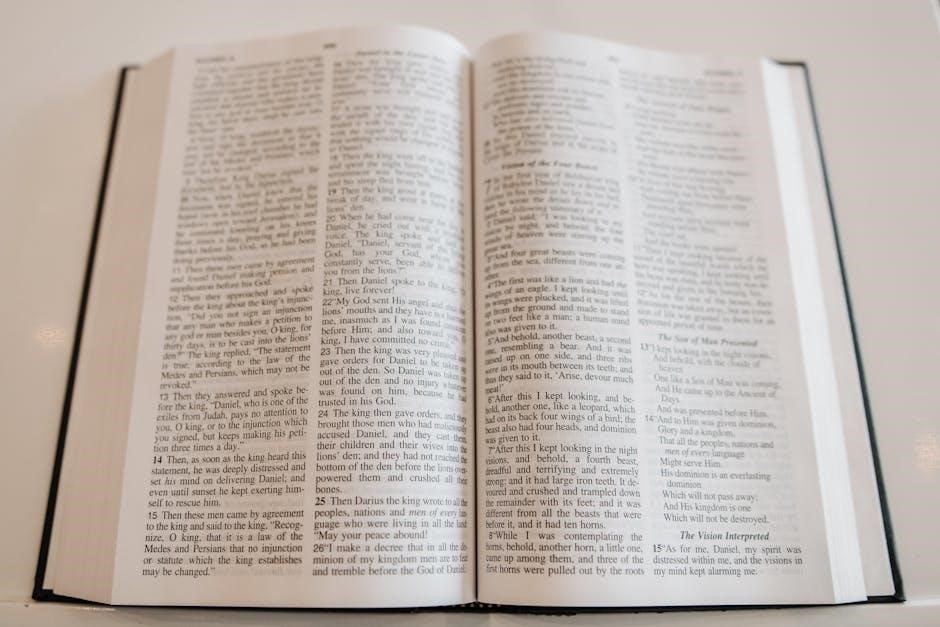
Parishes and dioceses frequently provide PDFs of the Liturgy in their specific liturgical tradition, sometimes incorporating local variations. These resources often include both the text and accompanying melodies, facilitating congregational participation. Searching online reveals a wealth of options, ranging from complete liturgical books to individual service sheets.
Furthermore, resources like WhatsApp Web can be utilized to share and access these PDFs conveniently, while Opera GX provides a streamlined browsing experience for locating and viewing liturgical texts. The ease of access ensures the Liturgy remains available to a broad audience.
Sources for Divine Liturgy PDFs
Finding PDF versions of the Divine Liturgy of St. John Chrysostom is increasingly straightforward. Mateos’ Divina Liturgia (1964) remains a valuable, freely accessible source online, offering a historical rendition of the text. Various Orthodox parishes and dioceses publish their own liturgical PDFs, reflecting regional customs and translations.
Online repositories and liturgical websites are excellent starting points for a comprehensive search. These platforms often host multiple editions, catering to different liturgical traditions – Byzantine, Russian, and others. Utilizing search terms like “Divine Liturgy PDF,” “St. John Chrysostom Liturgy,” or specific jurisdictional names yields numerous results.
Additionally, resources shared via platforms like WhatsApp Web and accessible through browsers like Opera GX can lead to relevant PDF documents. Remember to verify the source and accuracy of any downloaded material to ensure liturgical correctness.
Mateos’ Divina Liturgia (1964)
Published in 1964, Mateos’ Divina Liturgia de san Juan Crisóstomo stands as a significant, readily available PDF resource for the Divine Liturgy of St. John Chrysostom. This Spanish-language edition provides a historical perspective on the liturgical text, offering valuable insights into its traditional form and structure.

Available for free download online, it serves as a foundational document for scholars, clergy, and faithful seeking to study or utilize the liturgy. While in Spanish, its textual clarity and comprehensive nature make it useful even for those unfamiliar with the language, particularly when cross-referenced with English translations.
Researchers and practitioners appreciate its accessibility and historical context. It represents an important milestone in the preservation and dissemination of this central Orthodox Christian worship service, offering a glimpse into liturgical practices of the mid-20th century.
Modern Usage and Accessibility
Today, the Divine Liturgy of St. John Chrysostom enjoys widespread use and increasing accessibility, extending beyond traditional printed volumes. Numerous online resources now offer liturgical texts, including PDF versions, facilitating study and participation for a global audience.

Streaming services and parish websites frequently provide access to the liturgy in various formats, catering to diverse needs. Platforms like WhatsApp Web, accessed via a computer, allow users to share and view liturgical texts conveniently, bypassing smartphone limitations.
Opera GX, a browser designed for gamers, also supports seamless access to online liturgical resources. This combination of modern technology and ancient tradition ensures the continued relevance and availability of this central act of Orthodox worship, fostering deeper engagement and understanding.
Online Resources and Streaming
The digital age has dramatically expanded access to the Divine Liturgy of St. John Chrysostom, with numerous online resources readily available. Many parishes now offer the liturgy, and associated materials, including PDF versions of the text, on their websites for congregants and those studying the rite.
Streaming services provide live broadcasts of liturgical celebrations, allowing participation from anywhere with an internet connection. Platforms like KION Музыка host recordings of the liturgy, such as Roman Hurko’s Liturgy No.2 album (30 tracks, 1 hour 5 minutes), offering a high-quality audio experience.
Furthermore, tools like WhatsApp Web facilitate the sharing of liturgical texts and resources, while browsers like Opera GX, optimized for performance, ensure smooth access to online materials, bridging tradition and technology.
WhatsApp Web and Accessing Liturgical Texts
WhatsApp Web, the official link for access, is widely utilized by social media users globally for conversations on computers instead of smartphones or tablets. This platform proves invaluable for sharing the Divine Liturgy of St. John Chrysostom, particularly PDF versions of texts like Mateos’ 1964 Divina Liturgia, fostering communal worship and study.
The ability to access WhatsApp via a web browser allows for convenient distribution of liturgical materials among parish communities and individuals. Users can easily share links to downloadable PDFs, facilitating participation in the liturgy even outside of church services.

This method bypasses the limitations of mobile devices, offering a larger screen for reading and studying the complex texts of the Divine Liturgy, enhancing understanding and devotion for all involved.
Opera GX Browser and Online Liturgy Access

Opera GX, the first browser specifically designed for gamers, offers unique features beneficial for accessing and engaging with online liturgical resources, including PDFs of the Divine Liturgy of St. John Chrysostom. Its processor, RAM, and network limiters optimize performance, ensuring smooth streaming and downloading of liturgical texts.
The browser’s tailored design enhances the user experience, allowing for focused study and participation in the Divine Liturgy. Users can seamlessly navigate websites hosting liturgical materials and efficiently download PDF versions like Mateos’ 1964 Divina Liturgia without performance interruptions.
Opera GX’s features minimize distractions, creating an immersive environment conducive to prayerful engagement with the sacred texts, making it an ideal tool for both personal devotion and communal liturgical practice.