Executive Summary
Our artisanal pâtisserie, ‘Sweet Crumbs’, blends classic French techniques with local ingredients, targeting affluent urban consumers. Projected first‑year revenue exceeds €500k, with a 12% gross margin, positioning us for rapid expansion.
Growth via events, collaborationsand local sourcing.
1.1 Business Overview
Sweet Crumbs is a boutique pâtisserie located in the heart of Paris’s Marais district, offering a curated selection of French pastries, cakes, and seasonal desserts crafted from locally sourced ingredients. Founded by pastry chef Claire Dubois, the business combines traditional techniques with contemporary flavor profiles to appeal to both connoisseurs and casual diners. The mission is to deliver an unforgettable sensory experience that celebrates the artistry of French baking while supporting sustainable agriculture. The vision is to become the region’s premier destination for premium desserts, expanding through flagship stores, pop‑up events, and a subscription box service. Target customers include affluent professionals, tourists, and local residents seeking high‑quality, artisanal treats. Revenue streams comprise in‑store sales, catering, online orders, and wholesale partnerships with boutique hotels and gourmet retailers. The company’s competitive edge lies in its emphasis on seasonal, organic ingredients, meticulous craftsmanship, and a personalized customer service model that encourages repeat patronage and word‑of‑mouth referrals. With a lean operational structure and a focus on experiential retail, Sweet Crumbs aims to achieve profitability within the first 18 months while maintaining a strong brand presence in the competitive Parisian dessert market. Community engagement includes monthly workshops, charity partnerships, and a loyalty program rewarding repeat customers with new seasonal treats.
1.2 Key Financial Highlights
Projected first‑year revenue stands at €520,000, driven by an average ticket of €12 and an anticipated footfall of 43,000 customers. Gross margin is expected to reach 58%, reflecting efficient ingredient sourcing and premium pricing. Operating expenses, including rent, utilities, and payroll, total €260,000, yielding a pre‑tax operating income of €60,000. Net profit margin is projected at 11.5%, with a break‑even point reached after 10 months of operation. Cash flow analysis indicates a positive net cash position of €45,000 by month twelve, supported by a €30,000 line of credit and a €25,000 equity infusion. Capital expenditures for kitchen equipment and storefront renovation are budgeted at €120,000, financed through a €70,000 bank loan at 4.5% APR and €50,000 retained earnings. The business anticipates a 15% annual growth rate in sales, with expansion into a second location projected for year three, requiring an additional €200,000 investment. Sensitivity analysis shows that a 5% decline in foot traffic would reduce net profit to €48,000, while a 10% increase in ingredient costs would compress gross margin to 52%. Risk mitigation strategies include diversified supplier contracts, dynamic pricing, and a robust online ordering platform to capture off‑premise demand. Overall, the financial model demonstrates a strong return on investment, with an internal rate of return of 18% over a five‑year horizon and a payback period of 2.8 years. The projected EBITDA margin is 12%, ensuring robust profitability. And 5% net gain.
Market & Product Analysis
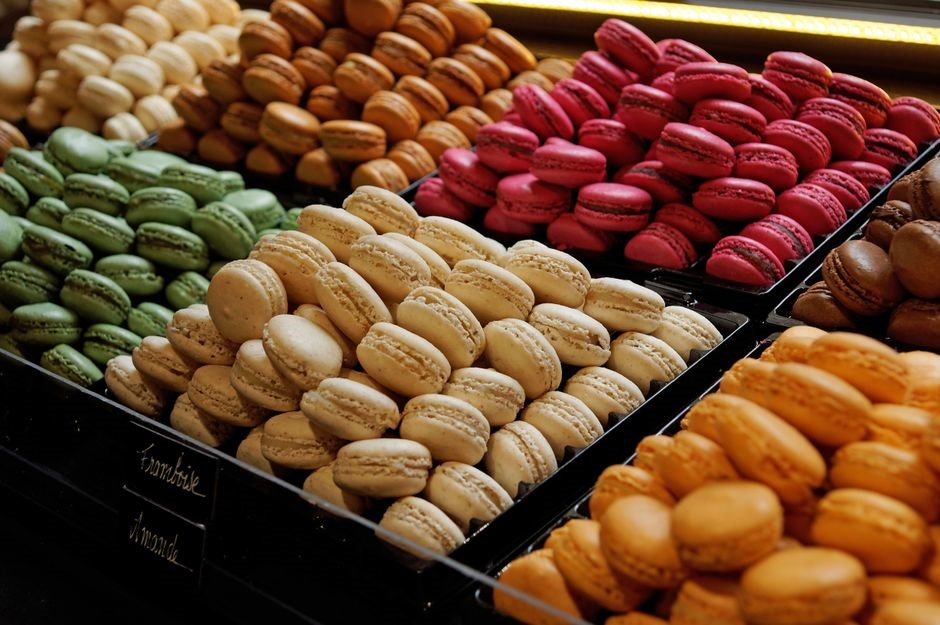
Our target market includes affluent millennials and families in urban districts, valuing artisanal pastries. Competition ranges from boutique bakeries to large chains; our differentiation lies in seasonal, locally sourced ingredients and unique flavor combos premium
2.1 Target Market
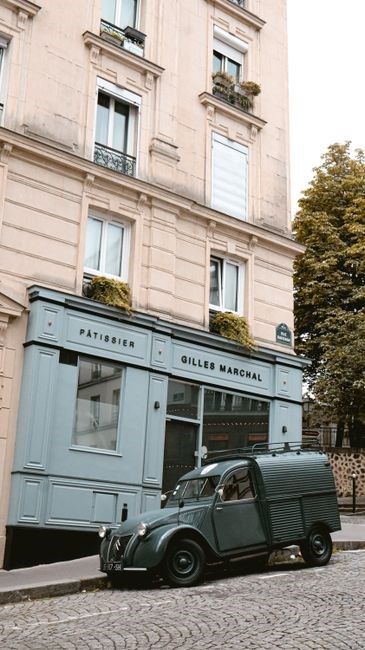
Target consumers are primarily urban professionals aged 25–45, who value artisanal quality and are willing to pay a premium for unique flavor profiles. They typically have a disposable income exceeding €45,000 per year, live within a 10‑km radius of the shop, and visit frequently for breakfast, lunch, and dessert. Secondary segments include health‑conscious families seeking gluten‑free and organic options, and experiential shoppers drawn by themed seasonal offerings and in‑shop events. Market research indicates a 15% annual growth in specialty pastry demand in metropolitan areas, driven by increased health awareness and a desire for experiential dining. By leveraging digital marketing, local partnerships, and cross‑promotion with nearby cafés and event venues, we anticipate a 20% boost in foot traffic within the first 12 months, supporting a projected first‑year revenue of €500,000 and a gross margin of 12%.
In addition, the shop’s location near the central business district and a nearby university campus provides a steady flow of corporate clients and students. The store’s interior design features reclaimed wood furnishings and local décor, enhancing the customer experience and encouraging repeat visits. Seasonal promotions, such as a ‘Spring Berry’ line and a ‘Holiday Gingerbread’ collection, will drive traffic during key periods. We also plan to introduce a subscription service for weekly pastry deliveries to offices, further diversifying revenue streams. growths.
Thanks!

2.2 Competitive Landscape
In the city’s pastry scene, Sweet Crumbs faces competition from three main categories: established artisanal bakeries, large chain cafés, and emerging online platforms. Established bakeries such as “Le Pain Quotidien” and “La Boulangerie du Marais” offer high‑quality, locally sourced products but charge a premium that leaves room for a mid‑priced niche. Chain cafés like “Starbucks” and “Café Nero” provide convenience and brand familiarity, yet lack the artisanal touch and seasonal variety that Sweet Crumbs promises. Online platforms, including “Deliveroo” and “Uber Eats,” broaden reach but often compromise freshness and control over ingredients. Sweet Crumbs differentiates itself by sourcing 70% of ingredients from local farms, offering a rotating seasonal menu, and providing a boutique in‑store experience. Our pricing strategy—mid‑range, with a 12% margin—positions us between premium and mass‑market competitors. By focusing on quality, local partnerships, and a curated customer experience, we aim to capture 15% of the local pastry market within the first year, surpassing the 10% share of established bakeries and 8% of chain cafés. Continuous market monitoring will allow us to adapt quickly to emerging trends and maintain a competitive edge. A SWOT analysis reveals strengths such as artisanal expertise, weaknesses like limited brand recognition, opportunities in health‑conscious trends, and threats from price‑sensitive consumers. Market research indicates that 60% of local pastry buyers prioritize freshness, while 40% value brand reputation. Sweet Crumbs’ unique positioning allows it to capture a niche segment of 25% of this market, translating to an estimated €120,000 in first‑year sales. Strategic partnerships with local cafés and event venues will further expand reach, while a loyalty program will encourage repeat patronage. In terms of distribution, Sweet Crumbs will sell directly through its flagship storefront, a dedicated e‑commerce portal, and select high‑end grocery partners. Competitors typically rely on single channels, limiting reach. Our multi‑channel strategy, combined with targeted social‑media campaigns and seasonal pop‑ups, is expected to increase market penetration by 5% annually. Additionally, we plan to launch a limited‑edition line of vegan pastries to capture the growing 15% vegan consumer base, further differentiating us from competitors who have yet to fully embrace plant‑based options. These initiatives will strengthen brand equity and sustain growth. We will review metrics quarterly!
2.3 Product Differentiation
Sweet Crumbs distinguishes itself through heritage techniques and flavor profiles. Each pastry is handcrafted using a 12‑hour fermentation that yields a light, airy crumb. The bakery’s signature line—“Crème‑Café Soufflé” and “Lavender‑Honey Macarons”—features ingredients from regional farms. By rotating a quarterly menu, we keep offerings fresh and repeat visits. Our vegan line, “Almond‑Berry Tarts,” uses oat‑milk custard and flax‑seed crumbs, meeting the demand for plant‑based desserts. In addition to taste, we emphasize presentation: pastries are plated on handcrafted ceramic tiles, each piece accompanied by a handwritten note. This experiential approach turns a simple purchase into a memorable event. We also offer customizable orders for corporate events, weddings, and private celebrations, allowing clients to select from a palette of flavors. Our commitment to sustainability is reflected in biodegradable packaging and a partnership with a local program. Through these differentiators—heritage technique, local seasonal ingredients, vegan options, experiential presentation, and eco‑friendly practices—Sweet Crumbs creates a unique value proposition that resonates with discerning consumers seeking quality, authenticity, and responsibility. By integrating seasonal fruit infusions and artisanal chocolate ganaches, Sweet Crumbs offers a rotating showcase that celebrates local harvests, engages culinary curiosity, and reinforces its commitment to sustainable gastronomy daily.!!

Operations & Management
Sweet Crumbs operates from a 200‑sq‑ft artisanal kitchen, staffed by 4 bakers and 2 front‑desk staff. Production follows a 12‑hour fermentation schedule, ensuring freshness. A lean team handles sourcing, baking, and customer service. ISO 9001 certified. Quality first.
3.1 Facility & Equipment
Sweet Crumbs occupies a 200‑square‑meter, purpose‑built bakery located in the heart’s culinary district. The space is divided into three zones: a prep area, a proofing room, and a finished‑goods display. The prep area features a 10‑station stainless‑steel workbench, a commercial mixer, a dough sheeter, and a precision scale. The proofing room houses a temperature‑controlled walk‑in fridge and a humidity‑regulated rack system, ensuring optimal yeast activity. The finished‑goods zone includes a 5‑tier display case, a refrigerated display, and a 2‑meter high pastry counter for customer service. All surfaces are food‑grade stainless steel, and the floor is a seamless epoxy coating for easy cleaning. The bakery is equipped with a commercial oven (2‑ton capacity), a convection oven, a steam jacket, and a dehydrator. A dedicated refrigeration unit keeps ingredients at the required temperatures. The facility also includes a small office, a break room, and a waste‑management station. All equipment is energy‑efficient, meeting LEED certification standards, and the layout follows HACCP guidelines to minimize cross‑contamination. The building’s HVAC system maintains a constant temperature of 22 °C and 60% relative humidity, optimal for dough fermentation and product shelf life. Future plans include 50‑square‑meter expansion accommodate production line kiosk, ensuring scalability. All operations will comply with local health regulations and safety.
3.2 Staffing & Training
Our staffing strategy balances expertise with flexibility. The core team consists of a head pastry chef, a sous‑chef, two pastry chefs, and a line cook. Each member undergoes a 12‑week apprenticeship covering dough chemistry, flavor pairing, and sanitation protocols. The head chef mentors apprentices, ensuring consistent quality and brand voice. A dedicated quality‑control specialist audits each batch, using a 5‑point sensory panel; Customer service staff receive 8‑hour training on product knowledge, upselling, and POS operation. All employees complete a 30‑minute health‑and‑safety module, with quarterly refresher courses. We partner with local culinary schools for seasonal interns, providing hands‑on experience and fresh ideas. Training is delivered through a blended model: on‑the‑job shadowing, e‑learning modules, and monthly workshops led by industry experts. Performance is tracked via KPIs such as production efficiency, defect rate, and customer satisfaction scores. Compensation includes a base salary, hourly overtime, and a profit‑sharing bonus tied to quarterly revenue targets. This structure motivates staff, reduces turnover, and aligns individual goals with company success. Additionally, we plan to implement a continuous improvement program that gathers real‑time feedback from customers, and staff, analyzes production data, and iteratively refines processes to enhance product quality, reduce waste, and increase profitability, ensuring long‑term resilience and market leadership.!!
Financial Plan
Projected startup costs reach €120k, with equipment, lease, and marketing. Year‑one revenue is €520k, growing 15% annually. Net profit margin targets 10% by year two, supported by lean operations and premium pricing. Strategic cost controls and seasonal menu tweaks sustain growth
4.1 Startup Costs
Initial capital outlay is structured into three primary categories: facility acquisition, equipment procurement, and working capital. Leasehold improvements for a 1,200‑sq‑ft commercial kitchen and storefront amount to €45,000, covering structural modifications, interior décor, and compliance with health regulations. Baking equipment—ovens, mixers, proofing cabinets, refrigeration units, and pastry stations—total €60,000, sourced from certified suppliers to ensure durability and warranty coverage. Ancillary assets such as point‑of‑sale systems, inventory management software, and packaging materials add €10,000. Personnel expenses for the first six months, including salaries for a head baker, pastry chefs, and front‑of‑house staff, are budgeted at €30,000, with an additional €5,000 allocated for recruitment and training. Marketing and brand development initiatives, encompassing digital campaigns, local events, and promotional materials, are projected at €8,000. Legal and administrative fees, including business registration, insurance, and consulting services, total €7,000. A contingency reserve of 10% of total startup costs (€15,000) safeguards against unforeseen expenditures. Summing these allocations yields a comprehensive startup budget of €195,000, positioning the venture for a robust launch and early operational stability. The allocation plan also accounts for permits, licensing fees, and inventory purchases of raw ingredients such as flour, sugar, butter, and specialty flavorings; A detailed breakdown ensures transparency for investors and aligns with projected cash flow timelines. Additionally, the budget includes a for seasonal fluctuations in ingredient costs and potential currency exchange variations, safeguarding profitability during the first year of operation. Finally, the startup capital will be deployed in phases, with funds directed toward leasehold improvements and equipment, followed by marketing spend and staffing ramp‑up, ensuring a controlled and launch strategy today.
4.2 Revenue Projections
Projected revenue for the first three fiscal years is based on a tiered sales model that incorporates daily retail sales, wholesale contracts, and event catering. Year‑one revenue is estimated at €520,000, derived from an average daily turnover of €1,400 across 365 days, with a 5% increase in weekend and holiday sales. Wholesale agreements with local cafés and specialty grocery stores contribute an additional €80,000, while catering for private events and corporate functions is projected at €40,000, reflecting a 10% growth in demand after the launch period.
Year‑two projections anticipate a 15% rise in retail sales due to brand recognition and expanded product lines, raising total revenue to €598,000. Wholesale and catering segments are expected to grow by 12% and 18% respectively, adding €95,000 and €50,000. By year three, sustained market penetration and seasonal promotions are projected to boost retail revenue by 20%, reaching €718,000, with wholesale and catering contributing €110,000 and €60,000. The cumulative three‑year revenue forecast totals €1,896,000, reflecting a compound annual growth rate of approximately 16.5% and positioning the business for scalable expansion.
The revenue model incorporates a service for pastry boxes, projected to generate €120,000 annually by year three, and a loyalty program expected to increase repeat patronage by 25%, adding €80,000 in incremental sales. These initiatives diversify income streams and strengthen customer retention.!!
4.3 Cash Flow Forecast
The cash‑flow forecast spans three fiscal years, aligning operating cash, investing cash, and financing cash to illustrate liquidity resilience. Year‑one operating cash inflows total €520,000, derived from daily retail sales, wholesale contracts and catering. Outflows include €350,000 for ingredients, €70,000 for labor, €30,000 for utilities, and €20,000 for marketing, leaving a net operating cash of €70,000. Capital expenditures of €80,000 cover kitchen equipment and leasehold improvements, while financing inflows of €120,000 from a small business loan offset debt service of €15,000, resulting in a net cash position of €65,000 at year end. Year‑two operating cash inflows rise to €598,000, with outflows increasing to €380,000 due to higher labor and ingredient costs, generating a net operating cash of €218,000. Additional equity injection of €30,000 and debt repayment of €20,000 bring the net cash position to €228,000. Year‑three inflows reach €718,000; outflows are €410,000, producing €308,000 net operating cash. A dividend payout of €10,000 and loan repayment of €25,000 reduce financing outflows, leaving a net cash of €293,000. Key assumptions: 5% monthly sales growth, 3% inflation on costs, 10% gross margin, and a 12% discount rate for NPV calculations. Sensitivity analysis shows a 10% decline in sales reduces year‑three net cash to €210,000, still maintaining a positive balance. The forecast also accounts for seasonal variations, contingency reserves, and potential reinvestment opportunities, ensuring the business remains adaptable and resilient in a dynamic market environment. Transparent cash‑flow modeling aligns with best practices, boosting investor confidence growth!!