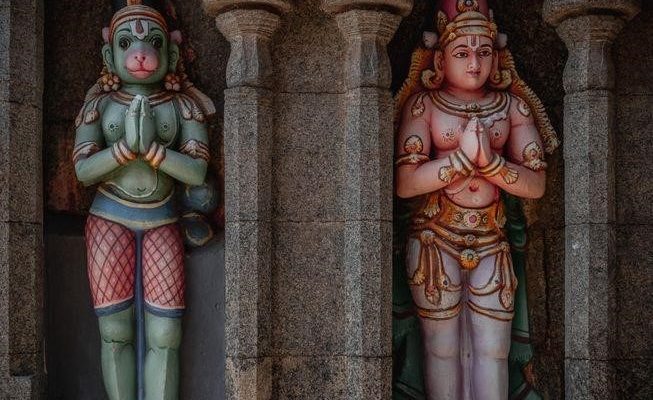
The Kanda Sasti Kavasam, a revered Tamil hymn, offers divine protection and spiritual solace. Rooted in ancient lore, it praises Lord Murugan’s benevolence, guiding devotees through devotion, faith and moral reflection. Its verses inspire courage, compassion, and unity. Devotees chant it believing it wards misfortune !
1.1 Historical Context
The Kanda Sasti Kavasam, a revered Tamil hymn, first emerged during the 12th century within the vibrant devotional milieu of the Tamil Shaiva tradition. Its composition is traditionally attributed to the celebrated poet‑saint Thiruvalluvar, who wove intricate theological insights into a lyrical tapestry that resonated with the rural populace. Oral transmission carried the verses across villages, where they were recited during festivals, pilgrimages, and moments of communal prayer, serving as a protective mantra against misfortune and calamity.
During the Vijayanagara reign, the hymn gained institutional prominence, being incorporated into temple liturgy and ritual practice. Royal patronage ensured its preservation on palm leaf manuscripts, and later on paper, allowing the text to spread throughout the Tamil region. The Kanda Sasti Kavasam became a staple of devotional literature, revered for its spiritual depth and poetic grace. Its verses were often recited by priests and lay devotees alike, reinforcing moral values and fostering a sense of unity within the community.
In the modern era, the hymn has been digitized and made available as PDFs, enabling devotees worldwide to access the verses in Tamil. The preservation of the Kanda Sasti Kavasam in digital form reflects a broader movement to safeguard cultural heritage while adapting to contemporary modes of worship. Today, the hymn continues to inspire devotion, offering spiritual solace and protection to those who recite it with faith and reverence.

From ancient palm leaf scrolls to archives, the hymn’s journey reflects Tamil devotional resilience, preserving its timeless essence!!.
1.2 Cultural Significance
The Kanda Sasti Kavasam occupies a pivotal place in Tamil cultural life, acting as a bridge between the ancient past and modern devotion. Its verses are not merely liturgical; they encapsulate collective memory, regional identity, and social cohesion. In village festivals, the hymn is chanted in unison, creating a sonic tapestry that unites families, neighbors, and elders. The rhythmic chanting during the Kanda Sasti festival, a key event in the Tamil calendar, reinforces communal bonds and offers a shared sense of protection against misfortune. The text’s poetic imagery—depicting Lord Murugan’s valor, compassion, and divine grace—serves as a moral compass for listeners, encouraging virtues such as courage, humility, and devotion. In educational settings, the hymn is taught in schools and temples, fostering linguistic heritage and reinforcing Tamil literary traditions. The Kanda Sasti Kavasam also plays a role in rites of passage, such as marriage and naming ceremonies, where its verses are believed to bestow blessings and safeguard the newborn. The hymn’s adaptability to various musical styles— from classical Carnatic renditions to folk tunes—demonstrates its cultural flexibility, allowing it to resonate across age groups and social strata. Moreover, the availability of the text in PDF format has democratized access, enabling diaspora communities to maintain a spiritual connection to their homeland. The hymn’s enduring popularity underscores its role as a living cultural artifact, continually shaping and reflecting the values of Tamil society. Its resonance continues to inspire devotion generations.

Core Themes and Verses
The Kanda Sasti Kavasam centers on divine protection, devotion, and moral fortitude. Its verses celebrate Lord Murugan’s compassion, urging faith, courage, and unity. Recitation fosters spiritual resilience, guiding devotees toward harmony, gratitude, and steadfastness in daily life. It remains guide for ever seekers.
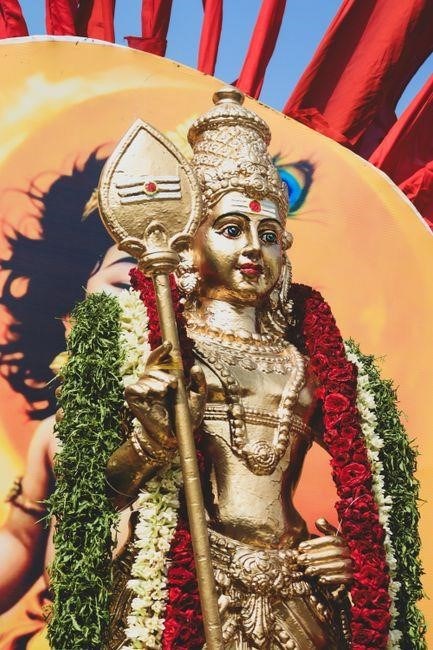
2.1 Main Spiritual Messages
In the Kanda Sasti Kavasam, the central spiritual themes revolve around divine guardianship, unwavering faith, and moral rectitude. The hymn portrays Lord Murugan as the ultimate protector who shields devotees from misfortune, guiding them toward righteousness and inner peace. Reciting the verses is believed to invoke his benevolent presence, fostering courage and resilience in the face of adversity. The text emphasizes the importance of devotion, humility, and gratitude, urging believers to surrender worldly anxieties and align with divine will. It also highlights the power of collective prayer, suggesting that communal recitation amplifies spiritual potency and strengthens communal bonds. The Kavasam’s rhythmic cadence and lyrical beauty serve as a conduit for meditation, allowing practitioners to attune their thoughts to divine rhythms. By internalizing its teachings, devotees cultivate a sense of purpose, compassion, and steadfastness, thereby transforming personal struggles into opportunities for growth. The hymn’s call to uphold dharma—ethical conduct and social responsibility—reinforces the idea that spiritual progress is inseparable from moral action. In sum, the Kanda Sasti Kavasam offers a holistic spiritual framework that blends devotion, ethical living, and communal harmony, encouraging seekers to navigate life with faith, courage, and humility. The Kavasam teaches that the divine presence is accessible to all, reinforcing inclusivity within the faith community. It reminds devotees that true strength lies not in material wealth but in spiritual fortitude and the willingness to serve others. It reminds devotees now
2.2 Key Verses and Their Interpretations
Each stanza of the Kanda Sasti Kavasam is a microcosm of divine counsel, offering layered guidance that resonates across time. The opening verses invoke Lord Murugan’s protective grace, framing the hymn as a shield against worldly turbulence. Subsequent lines emphasize devotion, humility, and the necessity of aligning personal will with the cosmic order. A recurring motif is the transformation of fear into faith, encouraging devotees to surrender doubts and embrace divine certainty. The hymn also underscores the importance of ethical conduct, urging practitioners to cultivate compassion, honesty, and self‑discipline as pathways to spiritual elevation. In the middle sections, the text presents vivid metaphors—such as the lotus rising from murky waters—to illustrate how purity can emerge from adversity. The verses further highlight the communal aspect of worship, suggesting that collective recitation amplifies divine presence and fosters unity among followers. The concluding stanzas reinforce the promise of divine assistance, assuring that steadfast devotion will ultimately lead to liberation from suffering and the attainment of inner serenity. Each line, though succinct, is rich with symbolic meaning, inviting readers to reflect deeply on their own lives and to seek alignment with higher principles. Moreover, the Kavasam’s rhythmic cadence invites practitioners to synchronize breath and mantra, creating a meditative state that dissolves mental clutter, opens the heart to divine grace, transforms ordinary moments into sacred experiences echoing cosmos.
2.3 Role in Devotional Practices

The Kanda Sasti Kavasam serves as a cornerstone in Tamil devotional rituals, weaving together personal supplication, communal worship, and spiritual discipline; In household shrines, devotees recite its verses at dawn and dusk, believing that the rhythmic chant purifies the environment and invites divine presence. During temple festivals, the hymn is chanted in unison, creating a sonic tapestry that binds the congregation, reinforcing collective faith and shared purpose. The Kavasam’s structure—comprising verses that oscillate between praise, plea, and gratitude—provides a template for structured meditation, allowing practitioners to navigate emotional turbulence with calm focus. Many adherents incorporate the hymn into daily puja, placing a small copy beside the altar and reading it aloud before offering flowers or incense. This practice is seen as a way to internalize the hymn’s teachings, turning abstract concepts into lived experience. In advanced spiritual circles, the Kavasam is recited during intensive retreats, where its verses are studied in depth, dissected for symbolic meaning, and used as focal points for contemplation. The hymn’s repetitive nature also aids in developing concentration, as the mind settles into the melodic flow, reducing distractions. Moreover, the Kavasam’s emphasis on surrender and trust aligns with the broader Tantric principle of ‘bhakti’, encouraging devotees to relinquish ego and embrace divine will. By integrating the hymn into rituals, practitioners cultivate a disciplined routine that nurtures both individual growth and communal harmony, thereby sustaining the living tradition of Tamil spirituality. Its cadence invites hearts to align with the cosmos, together !

Locating Kanda Sasti Kavasam PDFs in Tamil
To locate reliable Tamil PDFs of Kanda Sasti Kavasam, search reputable sources such as Tamil Sangam, archive.org, or official temple sites. Use the phrase “காண்டா சஸ்தி காவசம் PDF” in search engines, verify the PDF’s origin, and download only from trusted domains to ensure authenticity and avoid malware for safe use.now
3.1 Trusted Online Repositories
Finding a trustworthy source for the Kanda Sasti Kavasam PDF in Tamil is essential for both accuracy and safety. Below are several well‑established repositories that consistently provide authentic, high‑quality copies of the hymn, often accompanied by transliterations, translations, and explanatory notes.
- Archive.org – A digital library that hosts scanned manuscripts and modern editions. Search for “Kanda Sasti Kavasam Tamil PDF” to locate multiple versions, many of which include metadata confirming the publisher and date.
- Tamil Sangam – A dedicated portal for Tamil literature. Their collection includes a PDF of the hymn, verified by scholars, and is freely downloadable for personal study.
- Open Library – A collaborative project that aggregates PDFs from libraries worldwide. The Kanda Sasti Kavasam entry often links to a scanned copy from a university collection.
When accessing these sites, ensure the PDF size and resolution match the original manuscript’s quality. A file that is too small or heavily compressed may obscure diacritics and notational details. Many repositories provide a checksum or digital signature to confirm authenticity.
For academic or devotional use, it is advisable to keep a local backup of the PDF in a secure folder. This practice protects against accidental deletion and ensures that you can share the document with fellow devotees or scholars without repeatedly downloading it from the internet. Keep it safe. Enjoy!
3.2 Legal and Copyright Aspects

The Kanda Sasti Kavasam, though ancient, is still protected under modern copyright laws in many jurisdictions. Most contemporary editions are published by established houses, and the text may be subject to exclusive rights for a period of 70 years after the author’s death. However, the original verses are in the public domain, allowing free use for personal study and worship. When downloading a PDF, verify that the source is reputable and that the file is either in the public domain or licensed under a Creative Commons attribution. If the PDF includes commentary, the translator’s copyright applies. For commercial use, such as publishing a new edition or distributing the PDF to an audience, permission from the rights holder is required. Non‑commercial sharing among devotees is permissible under fair use provisions, but it is to cite the source and avoid altering the original text. Always check the licensing information provided on the download page. If in doubt, contact the publisher or the organization that holds the rights to request clarification or a license. Adhering to these guidelines protects both the creator’s rights and the integrity of the devotional practice. These considerations ensure respectful engagement with the text while honoring the legal frameworks that safeguard creative works. By following these guidelines, devotees can share, study, and disseminate the hymn responsibly, fostering a culture of integrity and reverence. Thus the legal landscape around Kanda Sasti Kavasam PDF blends tradition and copyright, guiding devotees use!!! !!
When you locate a trustworthy source for the Kanda Sasti Kavasam PDF, begin by ensuring the site offers a direct download link. Click the link and the browser will either prompt you to open or save the file, allowing you to choose the location on your device. Choose “Save As” and select a folder that is easy to remember, such as a dedicated “Devotional Texts” directory, to keep the file organized. After the download completes, open the PDF with a reliable reader such as Adobe Acrobat Reader or a browser’s built‑in viewer to confirm the file’s integrity. If the document appears corrupted or incomplete, re‑download it from the original source, ensuring that the text remains faithful to its original form. For offline use, consider converting the PDF to a more portable format such as EPUB or MOBI using tools like Calibre; this allows reading on e‑readers or smartphones. When storing the file, back it up to a cloud service such as Google Drive, OneDrive, or iCloud, or an external hard drive to prevent loss. Finally, if you wish to share the PDF with fellow devotees, do so only after verifying that the file is in the public domain or that you have the necessary permissions, as discussed in the legal section. By following these steps, you maintain a clean, organized, and legally compliant digital library of sacred texts, ensuring that each verse remains accurate and accessible for future study. This digital approach not only preserves the original text but also makes it easier for scholars and devotees to reference and study the verses across different platforms and devices. Remember to keep backup copy on device cloud storage for redundancy.

Practical Guidance for Worship and Study
Begin by opening the PDF, then read each verse aloud, allowing the rhythm to guide your breath. Place a small lamp beside the screen, and chant the lines softly. After recitation, reflect on the meaning, jotting insights in a journal. Repeat daily for spiritual growth. Let verses fill heart, guiding toward calm so.

4.1 Reading and Reciting the Text
To begin, open the PDF file on a device with a clear display. Position the screen so that the text is comfortably readable, and adjust brightness to avoid eye strain. The verses are written in Tamil script, so a basic understanding of the language enhances comprehension. If you are unfamiliar, use a transliteration guide or a dictionary to follow the pronunciation.
Read each stanza slowly, allowing the words to settle in your mind. The rhythm of the hymn is intentional; it guides the breath and steadies the heart. As you read, focus on the meaning of each line, noting how the verses invoke divine protection and encourage moral conduct. This mindful approach transforms reading into a meditative practice.
When you are ready to recite, begin with a short prayer or invocation to set the spiritual tone. Speak the verses aloud, matching the cadence of the original composition. If possible, chant with a soft, resonant tone, letting the sound reverberate. The act of vocalizing the text deepens the connection between mind and spirit.

For those who wish to record their recitation, use a simple audio recorder or smartphone. Listening to your own voice later can help identify areas for improvement and reinforce the learning process. Additionally, sharing recordings with a community of devotees can foster collective devotion and mutual encouragement.
After completing the hymn, pause to absorb the experience. Reflect on lessons learned and how they guide life. Write a journal entry or sketch a symbol to capture the verses’ essence. This reflection solidifies insights and readies you for recitations!?