Article Plan: Hip ORIF Physical Therapy Protocol
This comprehensive guide details a phased rehabilitation plan, starting post-op and progressing through advanced strengthening, aiming to restore function and optimize recovery after hip ORIF.
Hip Open Reduction Internal Fixation (ORIF) is a surgical procedure employed to address hip fractures or certain hip conditions requiring stabilization. Following this surgery, physical therapy (PT) plays a crucial role in restoring optimal hip function, reducing pain, and facilitating a return to daily activities. Early mobilization, initiated even during the hospital stay – often within 1-2 days – is paramount.
PT interventions encompass pain management, regaining range of motion, strengthening weakened muscles (particularly gluteals and quadriceps), and improving gait mechanics. A tailored program, progressing through distinct phases, is essential. Collaboration between the patient, surgeon, and physical therapist ensures a safe and effective recovery journey, potentially involving home health or skilled nursing facilities.

Understanding the Surgical Procedure: Hip Open Reduction Internal Fixation (ORIF)
Hip ORIF involves surgically realigning fractured hip components – the femur (thigh bone) – into their correct anatomical position. “Open Reduction” signifies a surgical incision to directly visualize and manipulate the fracture site. “Internal Fixation” utilizes hardware like plates, screws, or rods to stabilize the bone fragments, promoting healing.
This procedure is typically indicated for displaced hip fractures or specific hip instability issues. Post-surgery, weight-bearing restrictions are common, dictated by the fracture’s stability and the surgeon’s protocol. Understanding these limitations is vital for initiating a safe and effective physical therapy program focused on restoring strength and mobility.
Goals of Physical Therapy Following Hip ORIF
The primary goals of physical therapy post-hip ORIF are to minimize pain, restore optimal hip joint range of motion, and rebuild strength in surrounding musculature – particularly the gluteals and quadriceps. Early intervention focuses on preventing complications like blood clots (DVT) and wound healing issues.
Progressive rehabilitation aims to improve gait mechanics, balance, and functional independence, enabling patients to return to their prior activity levels. A tailored exercise regimen, guided by a physical therapist, is crucial for achieving these objectives and maximizing long-term recovery outcomes.
Phase 1: Immediate Post-Operative Phase (Hospital Stay ⏤ Days 1-2)
Initial focus is on pain management and gentle mobilization. Patients typically begin with bed-to-chair transfers, guided by a physical therapist, to initiate early movement. Assistive devices, such as walkers or crutches, are introduced and proper usage is thoroughly trained.
The physical therapy team assesses the patient’s condition and collaborates with surgeons, occupational therapists, and other healthcare professionals to determine the most appropriate discharge plan – home, skilled nursing, or rehabilitation hospital.
Initial Assessment & Pain Management
A thorough assessment evaluates pain levels, surgical incision, and overall functional status. Pain control is paramount, utilizing prescribed medications and non-pharmacological techniques. The therapist monitors for adverse events and assesses the patient’s ability to participate in early exercises.
Early intervention focuses on minimizing discomfort to facilitate participation in rehabilitation. Education regarding pain management strategies, including proper medication timing and activity modification, is provided to empower the patient’s recovery journey.
Early Mobilization: Bed to Chair Transfers
Initiating bed-to-chair transfers is crucial for preventing complications and promoting early recovery. A physical therapist guides the patient through safe transfer techniques, emphasizing proper body mechanics and weight-bearing precautions. Assistive devices, like transfer boards, may be utilized to ensure stability and minimize stress on the surgical site.
Gradual progression from supervised transfers to independent attempts builds confidence and functional independence. Careful monitoring of pain and fatigue levels guides the intensity and frequency of these early mobilization exercises.
Assistive Device Training: Walker or Crutches
Proper use of a walker or crutches is paramount for safe ambulation and weight-bearing management post-ORIF. A physical therapist provides individualized instruction on device fitting, weight distribution, and gait mechanics. Patients learn how to navigate various surfaces and obstacles while maintaining proper posture and minimizing hip stress.
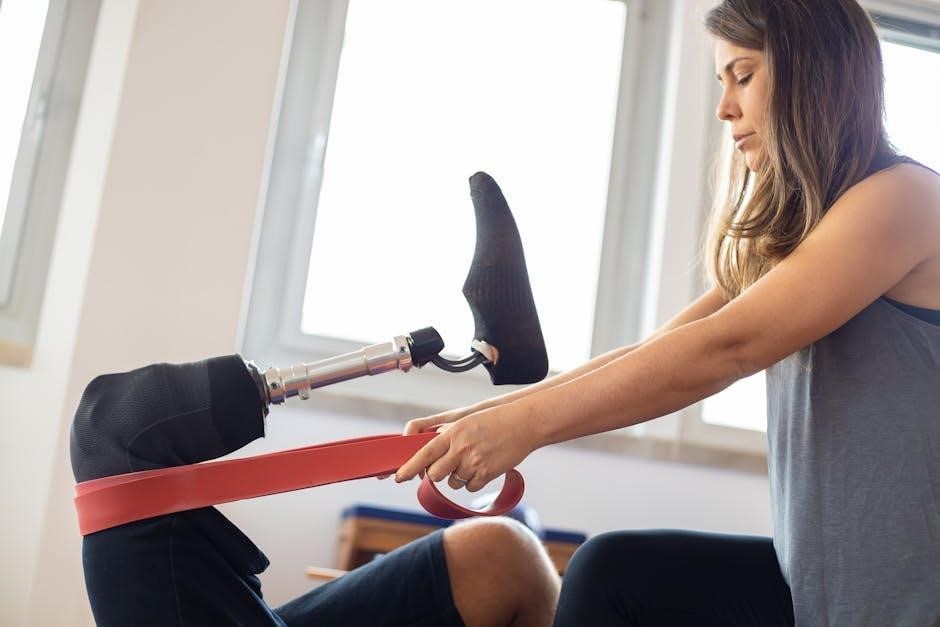
Emphasis is placed on consistent use of the assistive device as prescribed, adhering to weight-bearing restrictions, and recognizing signs of fatigue or instability. Regular assessment and adjustments ensure optimal support throughout the initial recovery phase.
Phase 2: Early Rehabilitation (Weeks 1-6)
This phase focuses on gradually restoring range of motion and initiating muscle activation following hip ORIF. Weight-bearing progression, guided by the surgeon’s protocol, is carefully monitored. Passive and active-assisted range of motion exercises are implemented to prevent stiffness and improve joint mobility.
Exercises targeting gluteal and quadriceps muscles are introduced to rebuild strength and control. Consistent adherence to the prescribed exercise regimen, alongside proper assistive device use, is crucial for optimal early recovery and minimizing complications.
Weight-Bearing Protocol & Progression
Initial weight-bearing status post-hip ORIF is dictated by the surgical fixation’s stability and the surgeon’s preference. Typically, patients begin with either non-weight-bearing (NWB) or toe-touch weight-bearing (TTWB) using assistive devices like walkers or crutches.
Progression occurs incrementally, advancing to partial weight-bearing (PWB) and eventually full weight-bearing (FWB) as healing progresses. Physical therapists closely monitor pain levels and radiographic evidence to guide this advancement, ensuring safe and effective loading of the hip joint throughout the rehabilitation process.
Range of Motion Exercises (ROM) ⏤ Passive & Active Assisted
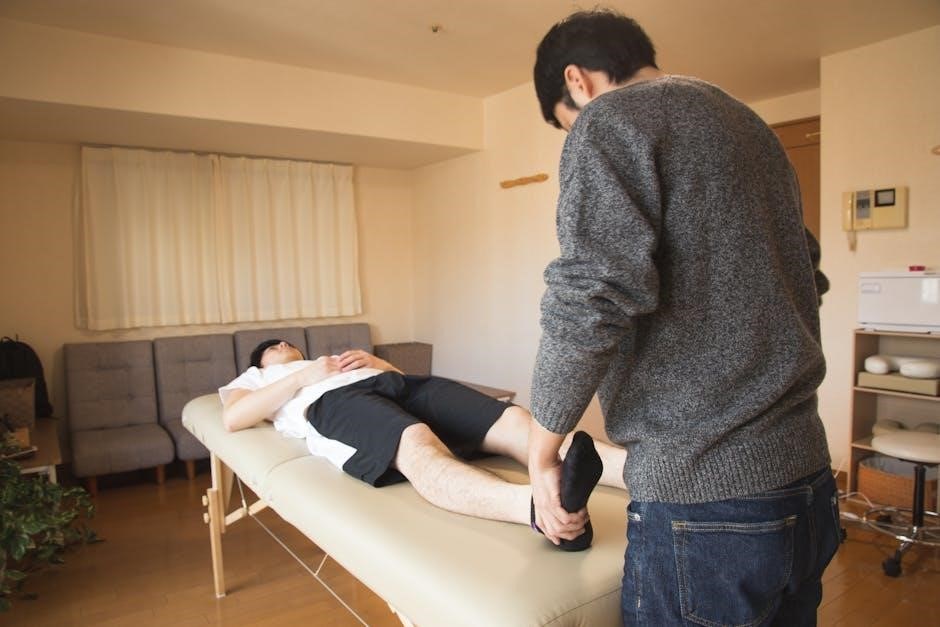
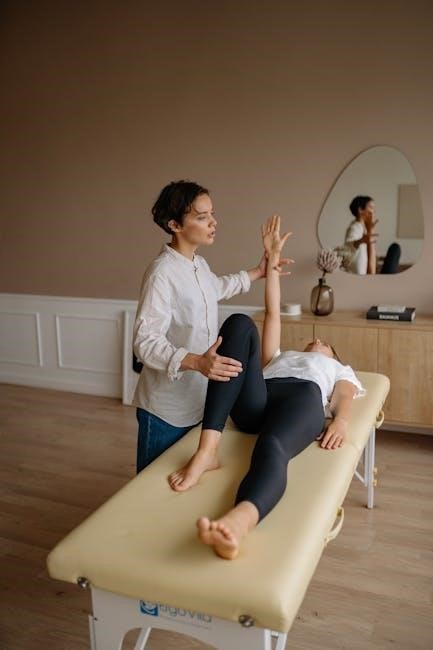
Early ROM exercises are crucial to prevent stiffness and maintain joint mobility following hip ORIF. Initially, passive range of motion (PROM) is performed by the therapist to gently move the hip through its available range, respecting pain boundaries.
As tolerated, active-assisted range of motion (AAROM) is introduced, where the patient actively participates with minimal assistance. These exercises focus on hip flexion, abduction, and external rotation, gradually increasing the range as healing allows, always consulting with the orthopedic surgeon.
Muscle Activation Exercises: Gluteals & Quadriceps
Re-establishing gluteal and quadriceps control is paramount for hip stability and functional recovery post-ORIF. Initial exercises focus on isometric contractions – tightening the muscles without joint movement – to minimize stress on the surgical site.
Gentle gluteal sets and quadriceps sets are performed, holding for several seconds. Progressing to short-arc quads and glute bridges (when appropriate and pain-free) helps regain strength. The goal is to increase muscle strength and gain control of the limb, especially these key muscle groups.
Phase 3: Intermediate Rehabilitation (Weeks 6-12)

This phase builds upon early gains, focusing on strengthening, proprioception, and gait normalization. Strengthening exercises progress to include hip abduction, adduction, and extension, utilizing resistance bands or light weights as tolerated. Proprioceptive training, like single-leg stance (with support initially), enhances joint awareness and balance.
Gait training continues, gradually decreasing reliance on assistive devices. The focus shifts to improving walking mechanics and endurance. Careful monitoring for pain and swelling is crucial during progression, ensuring a safe and effective rehabilitation process.
Strengthening Exercises: Hip Abduction, Adduction, Extension
These exercises target key hip muscles crucial for stability and function. Hip abduction, using resistance bands or weights, strengthens the gluteus medius, vital for preventing hip drop during gait. Adduction exercises, performed similarly, target the inner thigh muscles. Hip extension exercises, like bridges or prone hip extensions, strengthen the gluteus maximus.
Progressive overload is key – gradually increasing resistance as strength improves. Proper form is paramount to avoid compensatory movements and ensure effective muscle engagement. Pain should be monitored closely, and exercises modified accordingly.
Proprioceptive Training & Balance Exercises
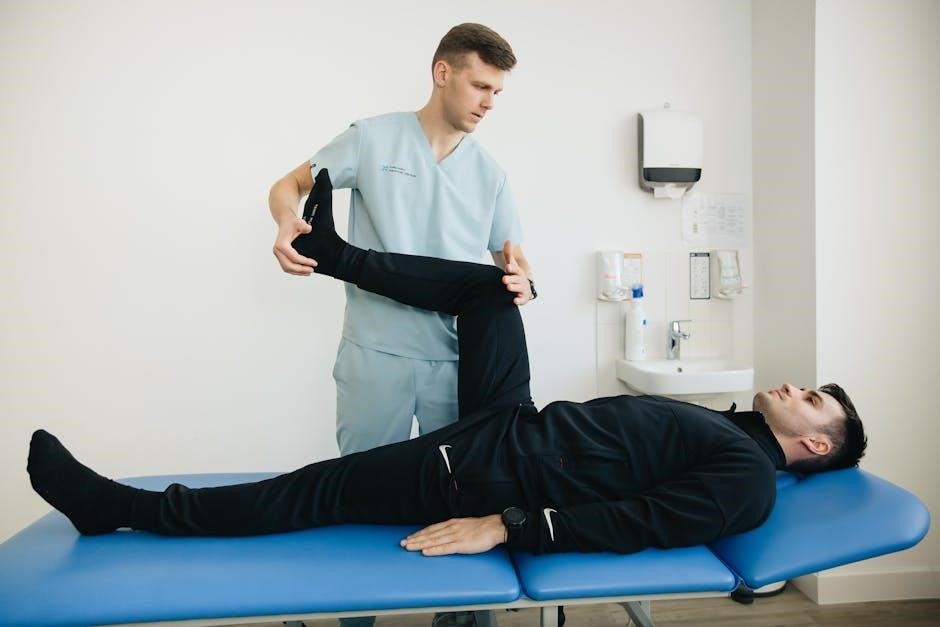
Restoring proprioception – your body’s awareness of its position in space – is vital after hip ORIF. Exercises include single-leg stance (progressing from stable to unstable surfaces), weight shifts, and balance board activities. These challenge the hip stabilizers and improve neuromuscular control.
Begin with supervised sessions, ensuring a safe environment. Focus on maintaining proper alignment and controlled movements. Incorporate dynamic movements to simulate real-life activities. Improved balance reduces fall risk and enhances functional performance, contributing to a successful recovery.
Gait Training Progression & Assistive Device Weaning
Gait training focuses on restoring a normal walking pattern after hip ORIF. Initially, practice weight shifting and stepping patterns with an assistive device (walker or crutches). Gradually progress to partial weight-bearing, then full weight-bearing as tolerated, guided by pain and stability.
Weaning from the assistive device occurs incrementally, based on strength and balance improvements. Focus on stride length, cadence, and minimizing compensatory movements. Regular assessment ensures safe progression. The goal is independent, pain-free ambulation with a normalized gait pattern.
Phase 4: Advanced Rehabilitation & Return to Function (Weeks 12+)
This phase concentrates on regaining full functional capacity and preparing for return to desired activities. Advanced strengthening utilizes resistance bands and weights to challenge hip musculature, building endurance and power. Functional exercises like squats, lunges, and step-ups mimic real-life movements, improving coordination and stability.
Proprioceptive challenges continue, enhancing balance and agility. A personalized exercise program addresses individual goals, whether returning to sports or daily living. Careful monitoring prevents re-injury and ensures a successful, lasting recovery.
Advanced Strengthening: Resistance Bands & Weights
Progressing beyond bodyweight, resistance bands and weights introduce controlled overload to enhance hip strength. Exercises target all muscle groups – abduction, adduction, extension, and rotation – building power and endurance. Banded walks improve gluteal activation, while weighted hip thrusts strengthen the posterior chain.
Proper form is crucial to prevent compensatory movements and maximize effectiveness. Gradually increasing resistance challenges the muscles, promoting continued gains. This phase prepares the hip for functional activities, bridging the gap between rehabilitation and real-world demands.
Functional Exercises: Squats, Lunges, Step-Ups
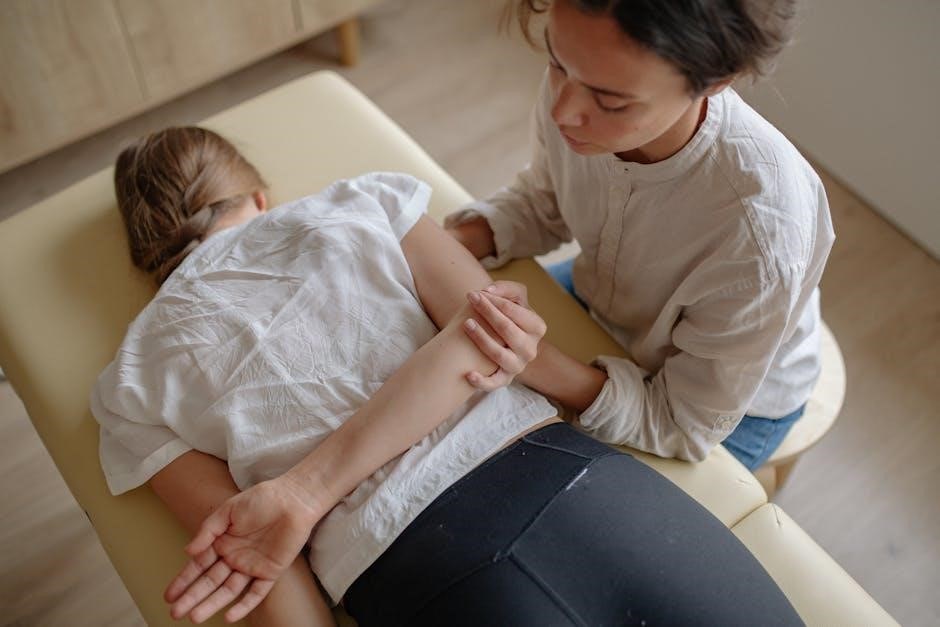
These exercises mimic daily movements, translating strength gains into practical function. Squats and lunges build lower body power and stability, essential for walking, climbing stairs, and lifting. Step-ups improve single-leg strength and balance, crucial for navigating uneven terrain.
Initially, focus on proper form with a limited range of motion, gradually increasing depth and complexity. These activities challenge the hip’s ability to control movement and absorb impact, preparing it for a return to desired activities. Progression should be pain-free and controlled.
Preventing Complications: DVT Prophylaxis & Wound Care
Post-ORIF, preventing deep vein thrombosis (DVT) and infection are paramount. DVT prophylaxis typically involves medication and early mobilization – getting patients moving as soon as safely possible. Ankle pumps and calf stretches promote circulation.
Wound care instructions are crucial, including keeping the incision clean and dry, monitoring for signs of infection (redness, swelling, drainage), and adhering to dressing change schedules. Vigilance in these areas minimizes risks and supports optimal healing, ensuring a smoother recovery process.
Importance of Vitamin D & Calcium Supplementation
Following hip ORIF, adequate nutrition is vital for bone healing and overall recovery. Vitamin D and calcium play a crucial role in bone metabolism, enhancing fracture repair and strengthening the skeletal structure; Patients are often advised to increase their intake through diet – incorporating dairy, leafy greens, and fortified foods – or supplementation.
Optimizing vitamin D levels supports calcium absorption, maximizing its benefits. Consistent intake, guided by a healthcare professional, contributes significantly to a successful and robust recovery post-surgery.
Potential Variability in Physical Therapy Protocols
It’s important to acknowledge that hip ORIF physical therapy isn’t a one-size-fits-all approach. Protocols can vary considerably between surgeons and rehabilitation facilities, influenced by factors like fracture complexity, patient health, and surgical technique.
Reviewing online resources reveals a noticeable lack of standardization. This variability highlights the need for clear communication with your surgical team to understand your specific protocol and ensure a tailored, effective rehabilitation journey. Individualized plans are key to optimal outcomes.
Communication with the Surgical Team
Open and consistent communication with your surgeon, physical therapists, and other healthcare providers is paramount throughout your recovery. Don’t hesitate to ask questions about your protocol, expected progress, or any concerns you may have regarding pain, swelling, or limitations.
Regular check-ins allow for adjustments to your plan based on your individual response to treatment. The hospital team – including therapists, social workers, and doctors – collaborates to determine the best post-operative care path, whether it’s home health or a skilled nursing facility.
Home Exercise Program Adherence
Consistent participation in your prescribed home exercise program is crucial for optimal recovery following hip ORIF. These exercises, designed to restore strength, flexibility, and range of motion, build upon the work done in formal therapy sessions.
Adhering to the schedule – even on days when you don’t feel motivated – helps prevent setbacks and accelerates progress. Remember, physical therapy and a dedicated exercise regimen are suggested to regain control and strength, particularly in the gluteal and quadriceps muscles.
Red Flags & When to Contact Your Doctor
Promptly report any concerning symptoms to your surgeon. These include a sudden increase in pain, redness, swelling, or drainage from the incision site – potential signs of infection.
Additionally, contact your doctor if you experience new or worsening numbness, tingling, or weakness in your leg or foot. Any signs suggestive of a deep vein thrombosis (DVT), such as calf pain or swelling, require immediate medical attention. Don’t hesitate to seek guidance if you feel uncertain about your recovery progress.
Long-Term Outcomes & Considerations
Successful hip ORIF recovery hinges on consistent adherence to the physical therapy protocol and a proactive approach to long-term health. While most patients regain significant function and reduced pain, full recovery can take up to a year or longer.
Continued strengthening, flexibility exercises, and maintaining a healthy weight are crucial. Be mindful of activity levels, avoiding high-impact activities that could stress the repaired hip. Regular follow-up appointments with your surgeon are essential to monitor healing and address any concerns that may arise over time.
Role of Occupational Therapy in Post-ORIF Recovery
Occupational therapy (OT) complements physical therapy by focusing on regaining independence in daily living activities after hip ORIF. OT practitioners address tasks like dressing, bathing, toileting, and kitchen activities, adapting techniques or recommending adaptive equipment to ensure safety and efficiency.
They assess home environments for potential hazards and provide recommendations for modifications. OT also plays a vital role in energy conservation strategies and return-to-work planning, helping patients resume their normal routines with confidence and minimizing strain on the recovering hip.
Addressing Pain Management Strategies
Effective pain management is crucial throughout the hip ORIF recovery process. Initially, prescribed pain medication, as directed by the surgeon, will be essential. However, a multi-modal approach is recommended, incorporating physical therapy techniques to reduce pain and improve function.
These techniques include gentle range of motion exercises, soft tissue mobilization, and modalities like ice or heat. Patients are educated on pacing activities, proper body mechanics, and relaxation techniques to self-manage discomfort. Open communication with the medical team regarding pain levels is vital for adjusting the treatment plan.
Resources for Patients & Caregivers
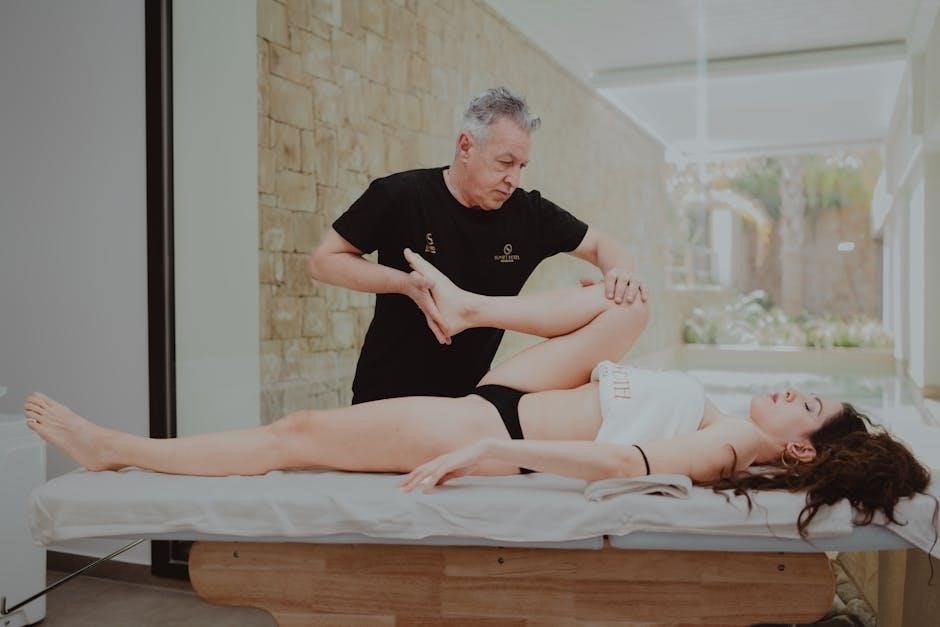
Navigating hip ORIF recovery requires support. Numerous resources are available to patients and their caregivers. Hospital discharge packets often include detailed instructions and contact information for the surgical team and physical therapy providers. Online platforms, like those of orthopedic associations, offer educational materials and exercise videos.
Local support groups can provide a sense of community and shared experience. Home Health Agencies offer in-home assistance with therapy and daily living activities. Don’t hesitate to utilize these resources to enhance understanding, promote adherence to the protocol, and optimize the recovery journey.
Successful hip ORIF recovery hinges on a dedicated commitment to the prescribed physical therapy protocol. Consistent adherence to each phase – from initial mobilization to advanced strengthening – is paramount. Proactive communication with the surgical team and therapists ensures personalized adjustments based on individual progress.
Prioritizing pain management, wound care, and nutritional support (Vitamin D & Calcium) further enhances healing. Remember, recovery is a journey, and patience, coupled with diligent effort, will unlock the best possible functional outcome and a return to an active lifestyle.