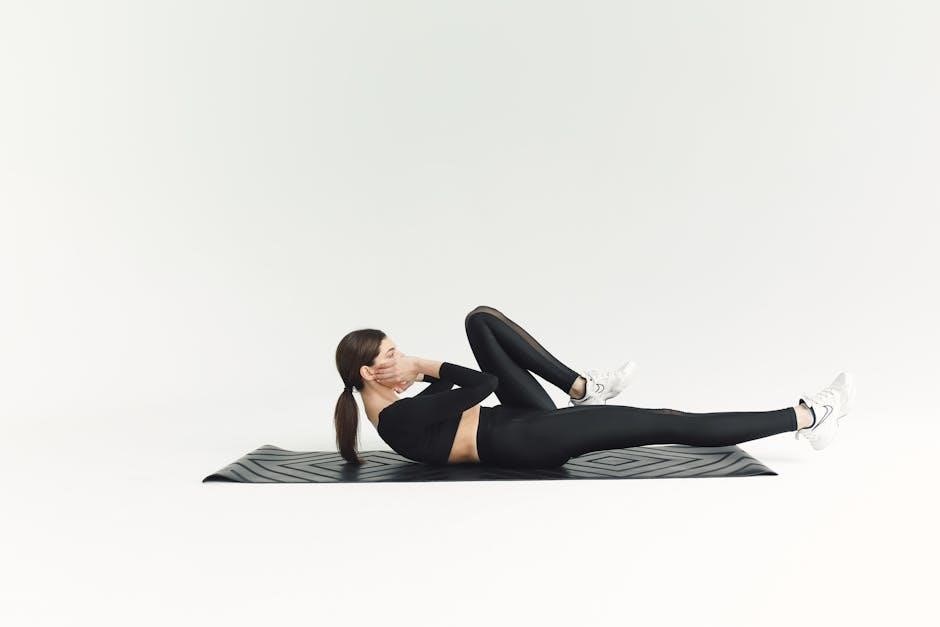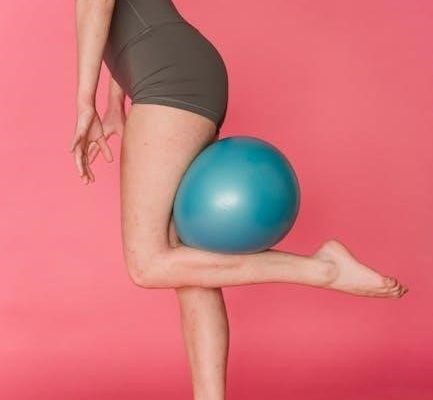
Understanding Meniscus Tears & Rehabilitation
Rehabilitation following meniscus repair involves a phased approach, starting with gentle exercises like heel and wall slides, progressing to strengthening and proprioceptive drills․
What is a Meniscus?
The menisci are C-shaped pieces of cartilage in your knee, acting as shock absorbers and providing stability․ Each knee has two – a medial and a lateral meniscus – crucial for distributing weight and enabling smooth joint movement․ They aren’t simply cushions; they play a vital role in knee function, contributing to rotational stability and preventing bone-on-bone contact․
Damage to these structures, often from twisting or direct impact, can cause pain, swelling, and limited mobility․ Understanding their function is key to appreciating the importance of targeted rehabilitation exercises, like those found in post-surgery protocols, aiming to restore optimal knee mechanics and prevent future injury․ Proper care ensures long-term joint health․
Causes of Meniscus Tears
Meniscus tears frequently occur due to sudden twisting motions, particularly when the foot is planted and pressure is applied to the knee․ This is common in sports involving pivoting, like basketball or soccer․ However, they can also develop gradually over time due to age-related degeneration, making the cartilage more fragile and susceptible to damage․
Direct impacts, such as those experienced in contact sports or falls, can also cause tears․ Even seemingly minor injuries can contribute if underlying cartilage weakness exists․ Rehabilitation protocols, including specific exercises, are designed to address both acute traumatic tears and chronic degenerative conditions, focusing on restoring function and reducing pain․

Phase 1: Acute Phase (Weeks 1-6)
Initial rehabilitation focuses on reducing swelling, pain, and regaining early range of motion through gentle exercises and isometric contractions․
Goals of Early Rehabilitation
The primary goals during the initial weeks post-injury or surgery center around minimizing pain and inflammation, controlling swelling, and protecting the healing tissues․ Establishing a foundation for regaining full knee function is paramount․ Gentle, low-impact exercises are introduced to restore a basic range of motion without stressing the meniscus․
Isometric exercises, like quad sets and hamstring sets, help activate muscles around the knee without joint movement, preventing atrophy․ Postural exercises are also beneficial․ The focus isn’t on strength, but on maintaining muscle mass and initiating neuromuscular control․ Achieving these early goals sets the stage for more progressive rehabilitation phases, ultimately leading to a successful return to activity․
Gentle Range of Motion Exercises
Early mobilization is crucial, employing exercises like heel slides and wall slides to gradually increase knee flexion and extension․ Heel slides involve lying on your back and slowly sliding your heel towards your buttocks, promoting gentle bending․ Wall slides utilize a wall for support, allowing controlled knee bending as you slide down․
These movements should be pain-free and performed within a comfortable range․ Active-passive exercises, where assistance is used to achieve a greater range, may also be incorporated․ The aim is to prevent stiffness and maintain some degree of joint mobility without compromising the healing meniscus․ Consistency and controlled movements are key to success․
Heel Slides
To perform heel slides, lie flat on your back with your legs extended․ Slowly slide the heel of your injured leg towards your buttocks, bending your knee as far as comfortable without pain․ Keep your heel in contact with the surface throughout the movement․
Hold the bent position for a few seconds, then slowly slide your heel back to the starting position․ Repeat this exercise 10-15 times, several times a day․ This gentle motion helps restore knee flexion and prevents stiffness․ Focus on controlled movements and avoid pushing through any discomfort, ensuring a safe and effective recovery process․
Wall Slides
For wall slides, stand with your back against a wall, feet shoulder-width apart and slightly away from the wall․ Slowly slide down the wall, bending your knees to a comfortable angle – aim for around 45 degrees initially․ Maintain contact between your back and the wall throughout the exercise․
Ensure your knees track over your ankles and avoid letting them collapse inward․ Hold the position briefly, then slowly slide back up to the starting position․ Repeat 10-15 times․ This exercise strengthens the quadriceps and improves knee control, aiding in regaining functional movement post-injury․
Isometric Exercises
Isometric exercises are crucial in the early stages of meniscus tear rehabilitation, focusing on muscle activation without joint movement․ These contractions help maintain strength and reduce muscle atrophy without stressing the healing meniscus․ Begin with quadriceps sets, tightening the thigh muscles while keeping the leg straight, holding for five to ten seconds, and repeating ten to fifteen times․
Similarly, perform hamstring sets by pressing the heel into the bed or floor, contracting the hamstring muscles․ These exercises are performed in limited amounts, prioritizing controlled engagement and avoiding pain․ Postural exercises also contribute to overall stability․
Quadriceps Sets
Quadriceps sets are foundational isometric exercises for meniscus rehabilitation, aiming to activate the thigh muscles without knee joint movement․ Lie on your back with your leg extended, and consciously tighten the quadriceps muscle – the muscle on the front of your thigh – pressing the back of your knee down towards the floor․
Hold this contraction for five to ten seconds, focusing on maintaining the squeeze without lifting your leg․ Repeat this exercise ten to fifteen times, several times a day․ This helps prevent muscle atrophy and prepares the muscle for more dynamic exercises later in the recovery process․
Hamstring Sets
Hamstring sets are crucial isometric exercises complementing quadriceps work in meniscus rehabilitation, focusing on the muscles at the back of the thigh․ Lie face down with your leg extended, and gently attempt to bend your knee, resisting the movement with your hamstring muscles․
Imagine you’re trying to pull your heel towards your buttocks, but keep your leg straight․ Hold this contraction for five to ten seconds, concentrating on the hamstring engagement․ Repeat ten to fifteen times, several times daily․ This exercise aids in stabilizing the knee and preventing hamstring weakness during recovery․
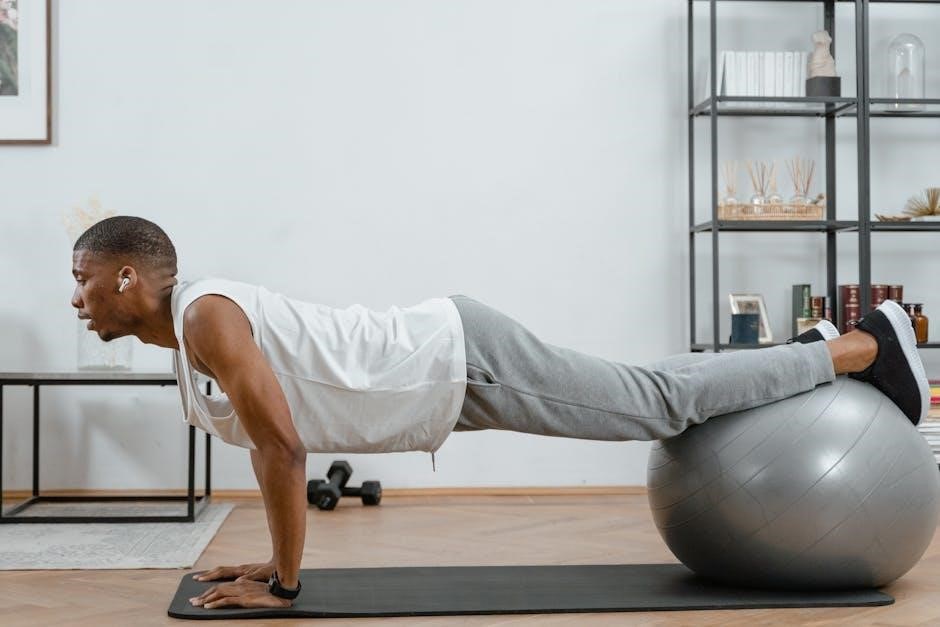
Phase 2: Intermediate Phase (Weeks 6-12)
This phase focuses on progressive strengthening, incorporating short arc quads, straight leg raises, and proprioceptive exercises to improve stability and function․
Progressive Strengthening Exercises
As pain subsides, strengthening exercises become crucial for restoring knee function․ Short arc quads are initiated, focusing on controlled extension without fully straightening the knee, building quadriceps strength․ Straight leg raises, performed while maintaining proper form, further engage the quads and hip flexors․
Gradually increase repetitions and sets as tolerated․ These exercises aim to rebuild muscle mass lost during immobilization and address any remaining weakness․ Proper technique is paramount to avoid re-injury; focus on controlled movements and avoid pushing through pain․ Consistent effort during this phase lays the foundation for a successful return to activity․
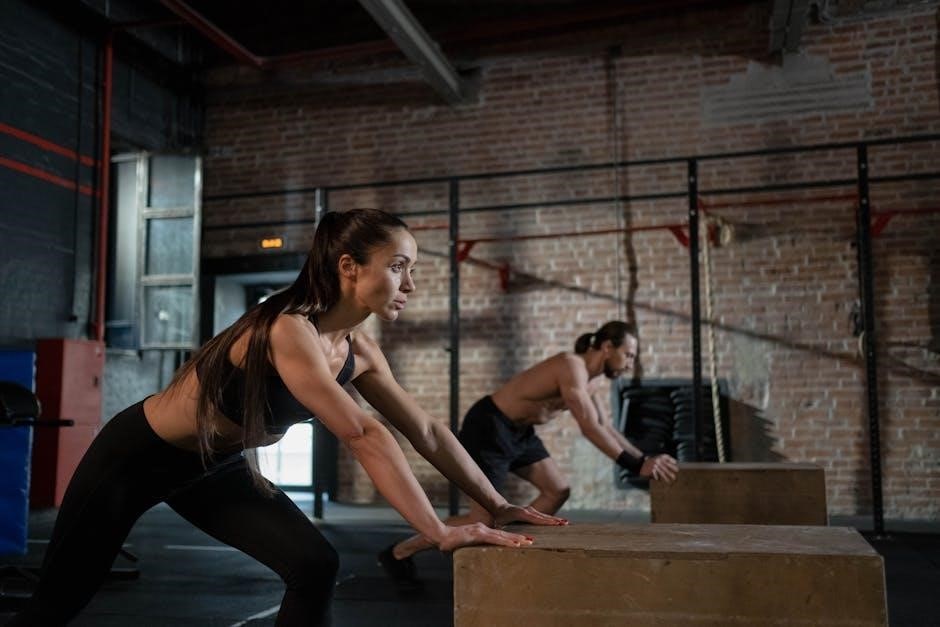
Short Arc Quads
To perform short arc quads, lie on your back with a rolled towel or bolster under your knee․ Slowly straighten your lower leg, tightening your quadriceps muscle, while keeping your thigh stationary․ Hold this contracted position for five to ten seconds, focusing on engaging the muscle․
Then, slowly lower your leg back down․ Repeat this exercise for 10-15 repetitions, completing several sets throughout the day․ This exercise isolates the quadriceps, strengthening it without placing excessive stress on the meniscus․ It’s a foundational exercise for rebuilding knee stability and function․
Straight Leg Raises
Performing straight leg raises involves lying flat on your back with one leg bent and the other extended straight․ Tighten the quadriceps muscle of the extended leg and slowly lift it approximately six to twelve inches off the ground․ Maintain a controlled motion, avoiding any jerking or momentum․
Hold the raised position for a few seconds, then slowly lower the leg back down․ Repeat this exercise for 10-15 repetitions, completing several sets․ This exercise strengthens the quadriceps and hip flexors, crucial for knee stability and regaining functional movement post-injury․
Proprioceptive Exercises
Proprioception, or the body’s awareness of its position in space, is vital for knee stability․ Exercises focus on restoring this sense after a meniscus tear․ Single leg stance challenges balance, requiring core and leg muscle activation to maintain equilibrium․ Start with short durations, gradually increasing the time as stability improves․
Balance board exercises further enhance proprioception, demanding constant adjustments to maintain balance․ These drills improve neuromuscular control, reducing the risk of re-injury․ Consistent practice is key to regaining confidence and functional stability in the knee joint, preparing for a return to activity․
Single Leg Stance
Single leg stance is a foundational proprioceptive exercise, crucial for rebuilding knee stability post-meniscus tear․ Begin by standing on the affected leg, maintaining a slight bend in the knee․ Focus on keeping your core engaged and avoiding any swaying motions․ Start with short holds – around 10-15 seconds – and gradually increase the duration as your balance improves․
To progress, try performing the exercise with your eyes closed, challenging your balance further․ You can also incorporate gentle upper body movements, like reaching in different directions, to increase the difficulty․ This exercise strengthens supporting muscles and enhances neuromuscular control․
Balance Board Exercises
Balance board exercises represent a significant progression in proprioceptive training after a meniscus tear․ Utilizing a wobble board or rocker board challenges your balance in multiple planes, enhancing neuromuscular control and joint stability․ Begin with both feet on the board, focusing on maintaining a level surface․
As confidence grows, progress to single-leg stance on the board․ Start with short durations and gradually increase the time as your balance improves․ Incorporate gentle movements, like reaching or turning your head, to further challenge your stability․ These exercises are vital for preparing the knee for functional activities․
Phase 3: Advanced Phase (Weeks 12+)
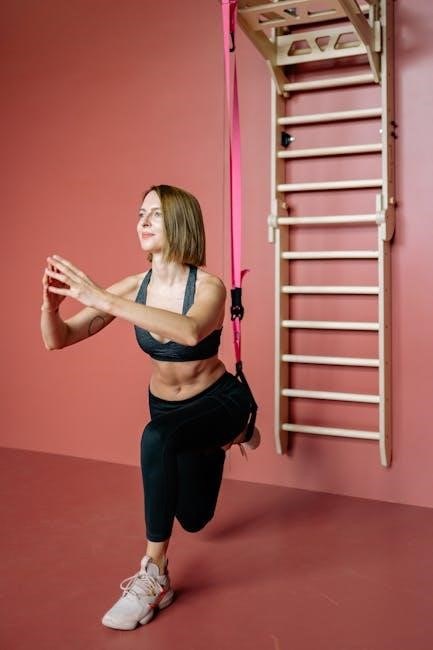
This phase focuses on functional movements like step-ups and controlled squats, alongside agility drills and a gradual return to running activities․
Functional Exercises
Functional exercises bridge the gap between controlled rehabilitation and real-world activities, preparing the knee for the demands of daily life and sport․ Step-ups are excellent for building strength and endurance in the quadriceps and glutes, mimicking stair climbing․ Begin with a low step height and gradually increase it as strength improves․
Squats, performed with controlled depth – avoiding positions that cause pain – enhance overall lower body strength and stability․ Focus on maintaining proper form, keeping the back straight and the core engaged․ These exercises, alongside agility drills, help restore confidence and prepare the knee for more dynamic movements․ Remember to listen to your body and avoid pushing through pain․
Step-Ups
Step-ups are a fantastic functional exercise, building strength in the quadriceps, hamstrings, and gluteal muscles – crucial for knee stability post-meniscus injury; Start with a low step height, ensuring full control throughout the movement․ Focus on driving through the heel of the working leg to engage the glutes effectively․
As strength improves, gradually increase the step height․ Maintain a straight back and avoid twisting the knee during the exercise․ Proper form is paramount to prevent re-injury․ Aim for smooth, controlled repetitions, and incorporate step-ups into a broader strengthening program for optimal results․
Squats (Controlled Depth)
Controlled depth squats are essential for regaining lower body strength and functional movement patterns after a meniscus tear․ Begin with shallow squats, focusing on maintaining proper form – a straight back, engaged core, and knees tracking over the toes․ Avoid deep squats initially, as they can place excessive stress on the healing meniscus․
Gradually increase the depth as pain allows, always prioritizing control over range of motion․ Incorporate squats into a progressive strengthening program, alongside other exercises․ Remember to listen to your body and stop if you experience any pain or discomfort during the exercise․
Return to Activity Considerations
Returning to activity after meniscus tear rehabilitation requires a cautious and progressive approach․ Before resuming sports or strenuous activities, ensure you’ve achieved full, pain-free range of motion, adequate strength, and good proprioception․ A gradual return is crucial, starting with low-impact exercises and progressively increasing intensity․
Consider agility drills and a running progression to prepare the knee for higher demands․ Pay close attention to any pain or swelling, adjusting the program accordingly․ A successful return hinges on adherence to the rehabilitation protocol and listening to your body’s signals throughout the process․
Agility Drills
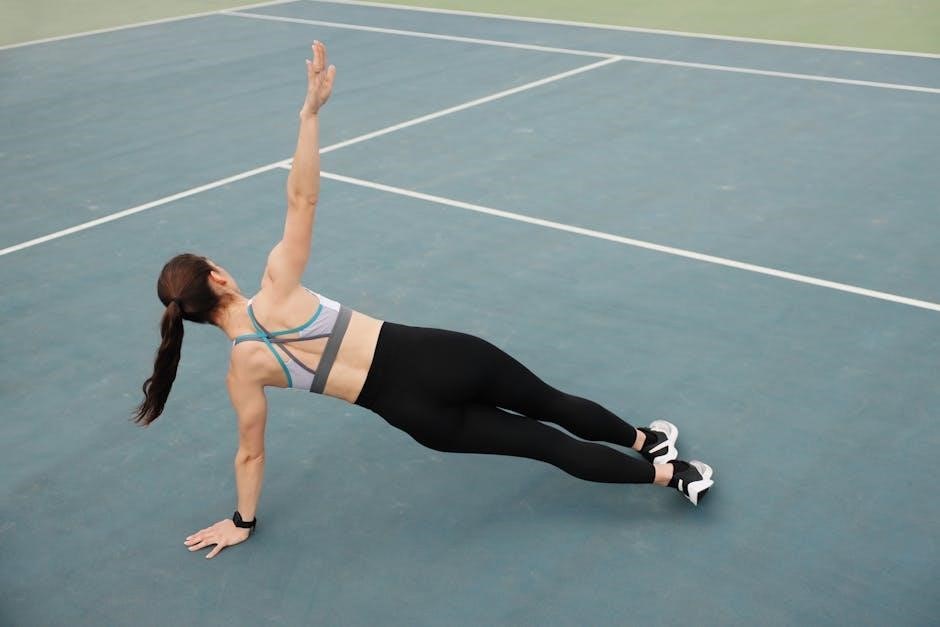
Agility drills are essential for restoring dynamic stability and preparing the knee for the unpredictable movements of daily life and sports․ Begin with simple cone drills, focusing on controlled changes in direction․ Shuttle runs and figure-eight patterns progressively challenge agility and coordination․
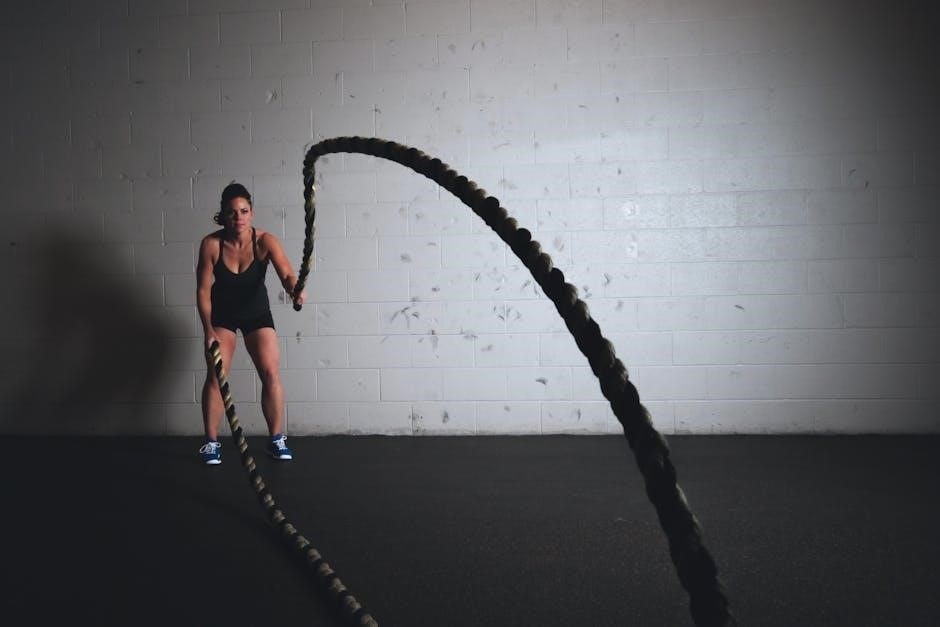
Emphasize quick footwork and maintaining proper form throughout each drill․ Gradually increase speed and complexity as tolerated, always prioritizing quality of movement over quantity․ These drills help retrain neuromuscular control, enhancing the knee’s ability to react to sudden forces and prevent re-injury․
Running Progression
A gradual running progression is crucial to safely return to this high-impact activity․ Start with walking, then progress to intervals of jogging and walking, increasing the jogging duration incrementally․ Monitor for any pain or swelling; if symptoms arise, reduce the intensity or duration․
Focus on maintaining good running form, including a neutral spine and controlled stride length․ Incorporate varied terrain and speeds as tolerance improves․ A structured plan, guided by a physical therapist, ensures a safe and effective return to running, minimizing the risk of re-injury and maximizing performance․
Preventing Re-Injury
Consistent exercise, including strengthening and proprioceptive drills, is vital․ Proper warm-up routines and cool-downs prepare muscles and reduce the risk of future tears․
Importance of Continued Exercise
Maintaining a consistent exercise regimen post-rehabilitation is paramount for long-term knee health and preventing re-injury․ The initial structured program shouldn’t be viewed as an endpoint, but rather a foundation for ongoing wellness․ Continued strengthening of the quadriceps, hamstrings, and calf muscles provides crucial support and stability to the knee joint․
Regular participation in low-impact activities, such as swimming, cycling, or walking, helps maintain muscle mass and cardiovascular fitness․ Incorporating proprioceptive exercises, like single-leg stance and balance board work, further enhances neuromuscular control and reduces the likelihood of instability․ Ignoring continued exercise can lead to muscle atrophy and a return of symptoms, potentially necessitating further intervention․ Prioritizing lifelong knee health through consistent movement is key․
Proper Warm-up and Cool-down
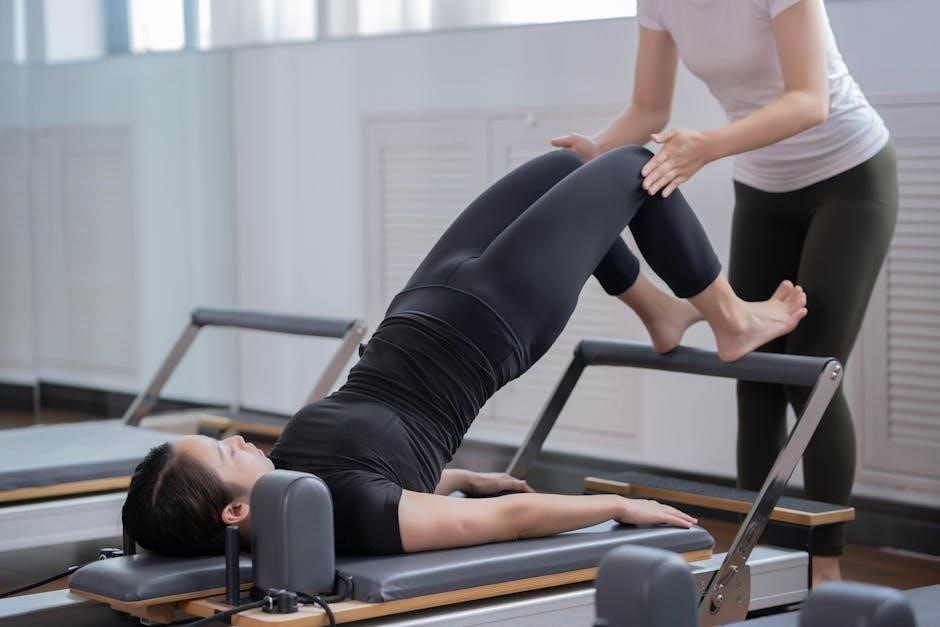
Prioritizing warm-up and cool-down routines is essential for maximizing exercise benefits and minimizing injury risk following meniscus treatment․ A dynamic warm-up, including leg swings, gentle knee bends, and walking lunges, prepares the muscles and joints for activity by increasing blood flow and flexibility․ This enhances performance and reduces strain․
Conversely, a cool-down involving static stretches – holding each stretch for 20-30 seconds – helps gradually lower heart rate and muscle temperature, preventing stiffness and soreness․ Focusing on quadriceps, hamstrings, and calf stretches promotes recovery and improves range of motion․ Neglecting these routines can compromise tissue elasticity and increase susceptibility to re-injury․