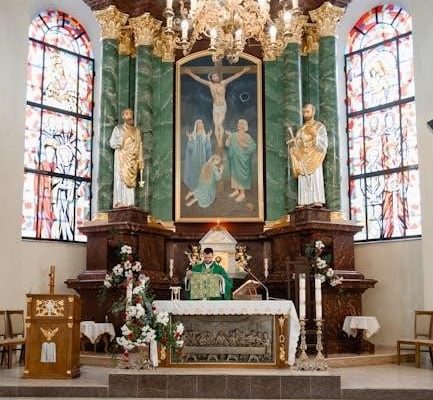
Rite of Christian Initiation of Adults (RCIA): A Comprehensive Plan
The RCIA, formalized in 1972, restores adult initiation rites—baptism, confirmation, and Eucharist—rooted in the ancient catechumenate, emphasizing a profound conversion process.
Historical Context & Development
Historically, the early Church practiced a lengthy period of formation for adult converts, known as the catechumenate. This involved extensive instruction, spiritual guidance, and communal discernment before receiving the sacraments of initiation. Over time, this practice gradually diminished, particularly with the rise of infant baptism becoming widespread.
However, a growing recognition in the 20th century highlighted the need to revisit and revitalize the adult initiation process. The desire to restore the richness and depth of the original catechumenate fueled this movement. This led to calls for a revised rite that would adequately prepare adults for full participation in the Catholic faith. The 1966 decree from the Second Vatican Council formally initiated this restoration, paving the way for the development of the Rite of Christian Initiation of Adults (RCIA) in 1972.
The Second Vatican Council’s Decree (1966)
The pivotal decree from the Second Vatican Council in 1966, Ordinis Initiationis Christianae, fundamentally called for the restoration of the adult rites of initiation – Baptism, Confirmation, and Eucharist – to their original form within the catechumenate. This decree acknowledged the diminished practice of robust adult formation and sought to remedy it.
It emphasized the importance of a renewed focus on conversion, both moral and spiritual, as integral to the reception of the sacraments. The Council Fathers recognized that initiation wasn’t merely a ritual act, but a transformative journey. This decree served as the foundational mandate for the subsequent development and promulgation of the Rite of Christian Initiation of Adults (RCIA), aiming to provide a structured and comprehensive process for adult converts.

Publication of the RCIA (1972)
Following the 1966 decree from the Second Vatican Council, the Church officially issued the Rite of Christian Initiation of Adults (RCIA) in 1972. This publication represented a significant milestone, providing a detailed liturgical framework for the initiation of adult converts. The RCIA wasn’t simply a collection of rites; it articulated a comprehensive process encompassing evangelization, catechesis, and spiritual formation.
The document, approved for use in the dioceses of the U.S.A. by the National Conference of Catholic Bishops and confirmed by the Apostolic See, stressed the interconnectedness of Baptism, Confirmation, and Eucharist. It offered a standardized, yet adaptable, structure for dioceses to implement, fostering a consistent approach to adult initiation across various communities. The initial edition comprised xviii pages and 375 total pages.
The Importance of the Catechumenate
The RCIA’s revival of the catechumenate is central to its philosophy. This isn’t merely a preparatory period before sacraments, but a sustained process of conversion – moral, spiritual, intellectual, and affective – shaping individuals for a life fully integrated into the Christian community. Liturgical rites within the catechumenate are not optional additions, but essential elements of Christian initiation itself.
The catechumenate acknowledges that receiving sacraments demands a profound personal transformation. It’s a journey of faith formation, guided by scripture, tradition, and the witness of the Church. This deliberate process ensures candidates aren’t simply receiving rituals, but actively embracing a new way of life, deeply rooted in the Gospel message and prepared for lifelong discipleship.
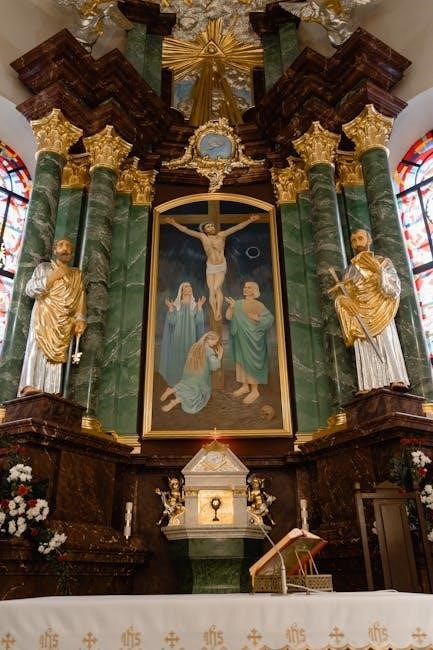
Structure of the RCIA Process
The RCIA unfolds through distinct stages: Pre-Catechumenate, Catechumenate, and Illumination, each building upon the last to prepare individuals for initiation.

Pre-Catechumenate (Evangelization & Initial Inquiry)
The Pre-Catechumenate marks the initial stage, focused on evangelization and inviting individuals to explore the Catholic faith through inquiry. This period isn’t formal instruction, but rather a welcoming space for questioning and initial understanding. Potential catechumens, those unbaptized individuals considering conversion, begin to encounter the Gospel message and witness the Christian community’s life.
It’s a time of listening, sharing, and discerning God’s call, fostering a personal relationship with Christ. This stage emphasizes a moral, spiritual, intellectual, and affective conversion, preparing hearts to receive the Good News. The focus is on helping individuals discover the beauty and truth of the Catholic faith, leading them to desire further formation and ultimately, initiation into the Church. There’s no commitment required at this point, simply an open heart and a willingness to learn.
Catechumenate (Formal Instruction & Formation)
The Catechumenate represents the core of the RCIA process, involving formal instruction in the teachings of the Catholic faith. Catechumens delve into Scripture, doctrine, prayer, and the sacraments, guided by catechists. This isn’t merely intellectual learning; it’s a holistic formation encompassing moral, spiritual, intellectual, and affective dimensions.
Regular meetings, reflections, and participation in the life of the parish community nurture their growing faith. Emphasis is placed on conversion – a turning away from sin and towards God. Catechumens are encouraged to develop a personal relationship with Christ through prayer and discernment. This stage prepares them for the intensified spiritual preparation of the Illumination, building a solid foundation for lifelong discipleship within the Church.
Illumination (Intensified Spiritual Preparation)
The Illumination phase marks a period of intensified spiritual preparation for catechumens, occurring during Lent. It features scrutinies – liturgical rites where the community intercedes for the elect, examining their motives and strengthening their resolve. These scrutinies, alongside presentations, emphasize repentance and seeking God’s mercy.
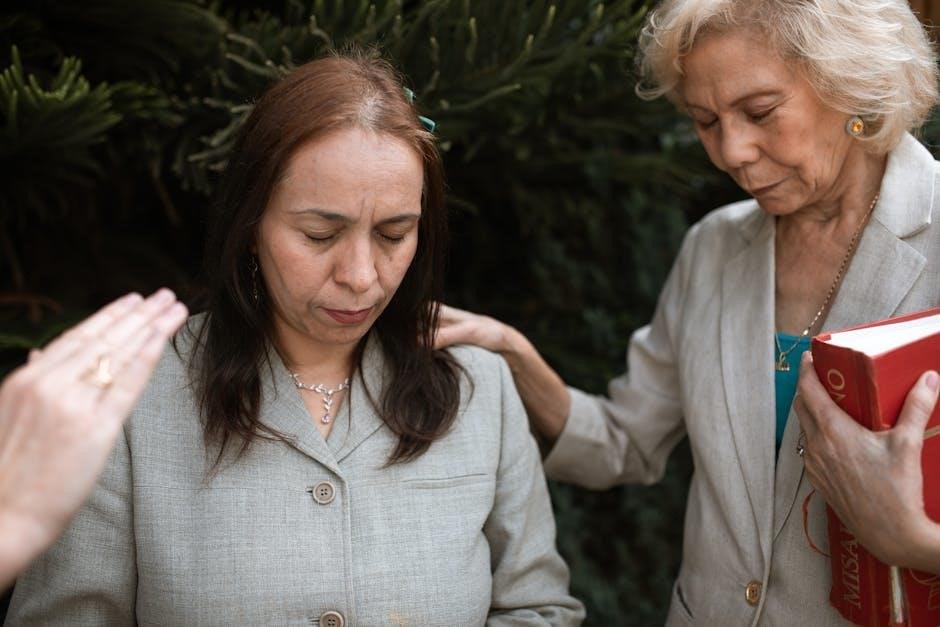
This stage isn’t solely about preparation for sacraments; it’s a profound encounter with Christ. Catechumens are invited to deeper prayer, reflection on Scripture, and participation in the Church’s liturgical life. The focus shifts towards purification and enlightenment, preparing their hearts to receive the sacraments of initiation – Baptism, Confirmation, and Eucharist – with genuine faith and devotion, culminating in Easter Vigil.

The Sacraments of Initiation
RCIA highlights the interconnectedness of Baptism, Confirmation, and Eucharist, emphasizing that these sacraments aren’t isolated events, but a unified journey.
Baptism – The Gateway Sacrament
Baptism, within the RCIA process, isn’t merely a ritual cleansing but a transformative encounter with Christ, marking entry into the Christian community. This sacrament signifies forgiveness of sins and a new birth in the Holy Spirit, fundamentally altering one’s spiritual state.
Preparation for Baptism involves a period of purification and enlightenment, where catechumens deepen their understanding of faith and commit to living a Christian life. The liturgical rite itself is rich in symbolism, utilizing water as a sign of cleansing and new life.
Crucially, the RCIA emphasizes that reception of Baptism necessitates a genuine conversion – moral, spiritual, intellectual, and affective – preparing individuals for a life dedicated to following Christ’s teachings and embodying His love. It’s the foundational step in the journey of initiation.
Confirmation – Strengthening with the Holy Spirit
Confirmation, following Baptism within the RCIA, isn’t a repetition of Baptism but a deepening and strengthening of the grace received. It’s understood as a special outpouring of the Holy Spirit, equipping the newly baptized to more fully live out their Christian calling and bear witness to Christ.
This sacrament seals the believer with an indelible spiritual mark, signifying their belonging to Christ and the Church. Preparation involves continued formation in the faith, focusing on the gifts and fruits of the Holy Spirit and their role in Christian life.
The RCIA highlights that Confirmation empowers individuals to defend their faith and actively participate in the Church’s mission, fostering a courageous and joyful proclamation of the Gospel. It’s a vital step in becoming a mature disciple of Christ.
Eucharist – The Source and Summit
The Eucharist, within the RCIA process, represents the culmination of initiation, signifying full communion with Christ and the Church. It’s not merely a final step, but the ‘source and summit’ of the Christian life, as it nourishes believers with the Body and Blood of Christ, strengthening their spiritual bond with God and one another.
Preparation for receiving the Eucharist involves deepening understanding of its profound meaning – the Real Presence of Christ, the sacrifice of the Mass, and its connection to the Last Supper.
The RCIA emphasizes that participation in the Eucharist isn’t simply receiving a sacrament, but entering into a transformative relationship with Christ, empowered to live out the Gospel and witness to His love in the world. It’s a continual source of grace and strength.

Liturgical Rites & Ceremonies
Essential rites within the RCIA—Acceptance, Sending, and Scrutinies—are vital elements of Christian initiation, guiding catechumens through conversion and spiritual preparation.
Rites of Acceptance & Welcome
The Rite of Acceptance formally initiates individuals into the RCIA process, marking their intention to pursue full communion with the Catholic Church. This ceremony, typically held during a Sunday Mass, signifies the community’s welcoming embrace of these seekers.
It involves the presentation of candidates to the priest or bishop, the profession of their desire for baptism, and the blessing of the catechumens. The rite emphasizes that this is not merely enrollment in a course, but a genuine call to conversion and a journey of faith.
Following acceptance, the Rite of Welcome further integrates the candidates into the parish community. Names are often inscribed in a Book of the Elect, symbolizing their chosen status. This public acknowledgment reinforces the parish’s commitment to support and pray for them throughout their formation. These initial rites establish a foundation of belonging and spiritual encouragement.

Rites of Sending & Dismissal
Rites of Sending and Dismissal punctuate key moments within the RCIA, particularly before and after periods of reflection and preparation. Before major scrutinies or during Lent, the dismissal rite signifies a time for focused prayer and self-examination for the catechumens.
The priest or deacon invokes God’s blessing and sends them forth to contemplate the scriptures and discern their call. This isn’t a rejection, but a purposeful withdrawal for deeper spiritual work.
Conversely, the rite of sending, often preceding the Easter Vigil, prepares the elect for the culmination of their journey. It’s a commissioning to embrace the Paschal Mystery. These rites highlight the cyclical nature of initiation – a movement between communal worship and personal reflection, fostering a profound connection with God’s grace and the community’s support.
Scrutinies & Presentations
Scrutinies and Presentations are central liturgical rites within the RCIA’s Illumination stage, designed for the discernment of the catechumens’ readiness for baptism. These aren’t merely examinations, but profound moments of prayer and intercession, invoking God’s power to deliver them from sin and grant them new life.
Typically occurring on the First, Second, and Third Sundays of Lent, each scrutiny features specific prayers, scripture readings, and exorcisms or anointings. The community presents their needs to God on behalf of the catechumens.
Presentations involve the catechumens affirming their desire for baptism, and the community publicly acknowledging their faith journey. These rites emphasize the communal aspect of conversion and the Church’s role in preparing individuals for the sacraments of initiation, ensuring a deeply spiritual and transformative experience.
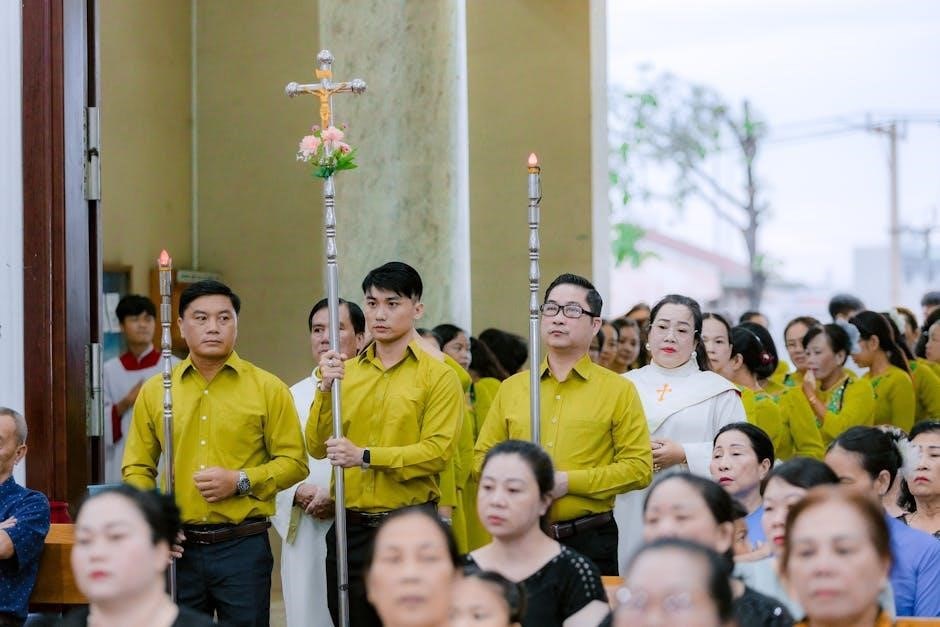
The RCIA Document & Resources
Official RCIA texts, approved by the USCCB, alongside study editions and supplemental materials, provide comprehensive guidance for implementing the initiation process effectively.
The Official RCIA Text (USCCB Approved)
The United States Conference of Catholic Bishops (USCCB) provides the definitive, approved text of the Rite of Christian Initiation of Adults. This resource, confirmed by the Apostolic See, serves as the foundational document for parishes implementing the RCIA process nationwide.
Containing xviii pages and 375 total pages, spanning 27 cm, it includes essential bibliographical references. This edition meticulously outlines the complete text of the rite, incorporating additional rites specifically approved for use within the dioceses of the U.S.A.

It builds upon the revised Roman Ritual decreed by the Second Vatican Ecumenical Council and published under the authority of Pope Paul VI. The document’s structure includes a decree from the National Conference of Catholic Bishops, a general introduction to Christian initiation, and the detailed Rite of Christian Initiation of Adults itself, divided into parts for clarity and practical application.
Study Editions & Supplemental Materials
Beyond the official USCCB text, numerous study editions and supplemental materials aid in understanding and implementing the RCIA. These resources often provide commentary, theological reflections, and practical guidance for team members and catechumens alike.
Examples include the “Rite of Christian Initiation of Adults, Study Edition,” offering the complete rite alongside additional approved rites for U.S. dioceses. Further support comes from manuals designed for liturgical ministers, such as “Ceremonies Explained for Servers,” benefiting altar servers, acolytes, and masters of ceremonies involved in the RCIA rites.
These supplemental materials enhance comprehension of the liturgical aspects and the spiritual journey undertaken by those preparing for initiation, ensuring a richer and more meaningful experience for all participants. They complement the official text, fostering a deeper engagement with the process.
Bibliographical References & Further Reading
For comprehensive study of the RCIA, the official text published by the USCCB remains foundational. Further exploration benefits from resources detailing the historical development and theological underpinnings of the rite. The “Order of Christian Initiation of Adults” by the International Commission on English in the Liturgy provides valuable insights.
Scholarly articles and books examining the catechumenate’s roots in the early Church offer historical context. Resources focusing on adult conversion and spiritual formation also prove beneficial. Examining documents from the Second Vatican Council, specifically the decree initiating the revision of adult initiation rites, is crucial.
These references support a deeper understanding of the RCIA’s purpose and implementation, enabling effective facilitation of the initiation process and enriching the faith journey of those involved.