
SemaSpace Instructions: A Comprehensive Overview (as of 01/27/2026)
SemaSpace uniquely provided explicit guidance on mixing semaglutide‚ supplying materials like syringes and alcohol pads‚ unlike other peptide sellers currently operating today.
Historical Context of SemaSpace
SemaSpace emerged as a notable‚ yet controversial‚ online vendor specializing in lyophilized semaglutide peptide‚ a substance gaining attention for potential weight loss applications as of late 2023 and into 2026. Distinct from competitors like Gorilla Healing‚ which maintains operations selling various peptides‚ SemaSpace distinguished itself by openly providing detailed instructions for reconstitution and administration.
This approach contrasted sharply with other sellers who generally avoided explicit guidance on human use‚ emphasizing a “research chemical” designation. The SemaSpace website‚ now defunct‚ offered a comprehensive package including bacteriostatic water‚ syringes‚ and alcohol prep pads‚ alongside precise dosing and injection protocols. This level of detail‚ coupled with semantic visualization technology (SeMap and SemaSpace) explored for intuitive user interaction‚ positioned the platform uniquely within the landscape of online peptide sales. The rise of SemaSpace coincided with growing public interest in semaglutide‚ ultimately leading to its shutdown and increased scrutiny.
The Rise and Fall of SemaSpace
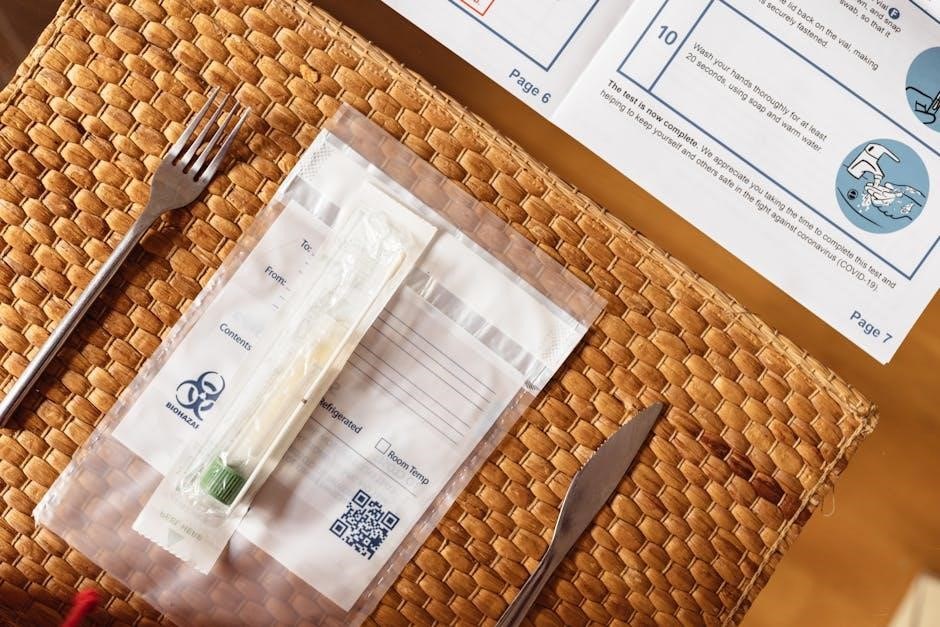
SemaSpace rapidly gained prominence in late 2023 and early 2026 as a direct-to-consumer source for lyophilized semaglutide‚ capitalizing on the increasing demand for weight loss solutions. Unlike competitors like Gorilla Healing‚ still operational‚ SemaSpace uniquely provided explicit mixing and injection instructions‚ a key factor in its initial appeal. This detailed guidance‚ including materials like bacteriostatic water and syringes‚ set it apart‚ despite operating within a legally ambiguous space.
However‚ this very openness ultimately contributed to its downfall. Increased regulatory scrutiny‚ coupled with concerns regarding unsupervised medical use‚ led to the shutdown of the SemaSpace website. While Gorilla Healing continues to sell semaglutide‚ SemaSpace’s explicit instructions likely attracted unwanted attention. The platform’s exploration of semantic visualization (SeMap) for user interaction‚ though innovative‚ couldn’t offset the legal and safety risks associated with its core offering‚ marking a swift rise and fall.
SemaSpace and the Sale of Lyophilized Semaglutide
SemaSpace distinguished itself by directly selling lyophilized semaglutide peptide‚ a practice shared with at least one other unnamed entity‚ but crucially‚ SemaSpace went further. While others seemingly discouraged human use and lacked administration guidance‚ SemaSpace explicitly detailed how to reconstitute and inject the peptide. This included providing necessary components – bacteriostatic water‚ syringes‚ and alcohol prep pads – creating a complete‚ albeit illicit‚ self-administration kit.
This approach differed significantly from Gorilla Healing‚ which‚ as of January 27‚ 2026‚ continues to offer semaglutide alongside other products‚ without the same level of detailed instruction. SemaSpace’s comprehensive guidance‚ documented in Figure 2‚ positioned it as a more ‘user-friendly’ but also legally vulnerable source. The platform’s focus on semantic visualization (SeMap) seemingly didn’t mitigate the risks associated with its core product offering and sales practices.
Legality and Risks Associated with SemaSpace
SemaSpace operated as an illegal pharmacy‚ circumventing established pharmaceutical regulations by selling and providing instructions for a prescription medication – semaglutide. This inherently carried significant legal ramifications for both the operators and customers. The explicit instructions for mixing and injecting the peptide amplified the risks‚ as self-administration outside a controlled medical setting increases the potential for adverse effects and complications.
Purchasing from such sources exposes individuals to counterfeit or improperly manufactured products‚ lacking quality control and potentially containing harmful substances. While SemaSpace is now defunct‚ the continued operation of similar entities like Gorilla Healing highlights the ongoing danger. The lack of a disclaimer regarding human use further underscores SemaSpace’s disregard for patient safety and legal boundaries‚ creating substantial liability.
SemaSpace’s Explicit Instructions for Semaglutide Mixing
SemaSpace distinguished itself from other lyophilized semaglutide sellers by openly providing detailed instructions for reconstituting the peptide. This included guidance on mixing semaglutide powder with bacteriostatic water‚ a practice typically reserved for medical professionals. The website didn’t merely sell the product; it actively guided customers through the process of preparing it for injection‚ a highly unusual and legally questionable practice for an unapproved vendor.
These instructions encompassed not only the mixing process but also dosing recommendations and injection techniques. This level of explicit direction‚ coupled with the provision of necessary supplies like syringes and alcohol prep pads‚ demonstrated a deliberate effort to facilitate self-treatment‚ despite the inherent risks and lack of medical oversight.
Required Materials Provided by SemaSpace
SemaSpace didn’t simply offer the lyophilized semaglutide peptide itself; the company actively supplied a complete kit intended to facilitate its use‚ despite operating outside of legal pharmaceutical channels. This included crucial components necessary for safe (or‚ at least‚ comparatively safer) reconstitution and administration. Notably‚ SemaSpace provided bacteriostatic water‚ essential for dissolving the peptide and inhibiting bacterial growth during the process.
Alongside the bacteriostatic water‚ SemaSpace also included syringes and various injection supplies‚ removing the need for customers to source these items independently. Furthermore‚ alcohol prep pads were provided‚ emphasizing the importance of sterility – though not necessarily guaranteeing it – at the injection site. This comprehensive provision of materials underscored the site’s explicit guidance and encouragement of self-administration.
Bacteriostatic Water: Role and Importance
Bacteriostatic water‚ supplied by SemaSpace‚ played a critical role in the reconstitution process of the lyophilized semaglutide peptide. Unlike sterile water‚ bacteriostatic water contains a small amount of an antimicrobial preservative‚ typically benzyl alcohol. This preservative isn’t intended to sterilize the solution‚ but rather to inhibit the growth of bacteria that may be introduced during the mixing process‚ extending the solution’s usability for a limited time.
Its importance stemmed from the nature of lyophilized peptides – they require rehydration for administration. Using non-sterile water would introduce a significant risk of bacterial contamination‚ potentially leading to severe infections. While SemaSpace’s provision of bacteriostatic water didn’t eliminate this risk entirely‚ it represented a step towards mitigating it‚ though still falling far short of pharmaceutical standards.
Syringes and Injection Supplies
SemaSpace explicitly included syringes and accompanying injection supplies as part of their kits‚ directly facilitating the administration of reconstituted semaglutide. This provision was a key differentiator from other peptide vendors who primarily sold the raw peptide itself‚ leaving sourcing of injection materials to the customer. The syringes were intended for subcutaneous injections‚ a method SemaSpace detailed in their instructions.
However‚ the quality and sterility of these supplied syringes were questionable‚ raising significant safety concerns. The inclusion of these supplies‚ while convenient‚ implicitly encouraged unsupervised self-administration of a potent pharmaceutical substance. Furthermore‚ the lack of clear guidance on proper needle disposal added to the potential health and environmental risks associated with SemaSpace’s offerings.
Alcohol Prep Pads: Ensuring Sterility
SemaSpace included alcohol prep pads within their kits‚ ostensibly to promote sterile injection practices; These pads were intended for cleaning the injection site prior to administering the reconstituted semaglutide‚ aiming to minimize the risk of localized infection. However‚ simply providing alcohol pads doesn’t guarantee adherence to proper aseptic technique‚ nor does it address the broader concerns surrounding the sterility of the entire process.
The inclusion of these pads‚ while seemingly responsible‚ could have fostered a false sense of security among users. Proper sterilization requires a comprehensive approach‚ and relying solely on an alcohol wipe is insufficient. Given SemaSpace’s overall lack of medical oversight and explicit encouragement of self-administration‚ the provision of alcohol pads appears more as a superficial attempt to mitigate risk than a genuine commitment to patient safety.
Detailed Semaglutide Mixing Instructions (Based on SemaSpace Guidance)
SemaSpace notably provided explicit instructions for reconstituting lyophilized semaglutide‚ a practice absent from guidance offered by comparable sellers. Their guidance centered around mixing the peptide with bacteriostatic water‚ a process crucial for activating the medication. However‚ the level of detail provided‚ while seemingly helpful‚ lacked the necessary medical oversight and warnings associated with pharmaceutical compounding.

The instructions likely detailed the specific volume of water required for each vial strength‚ aiming to achieve a precise concentration. This guidance‚ coupled with the supplied syringes‚ enabled customers to independently prepare injections. Critically‚ SemaSpace’s instructions bypassed established pharmaceutical protocols‚ potentially leading to inaccurate dosages and compromised sterility‚ despite the inclusion of alcohol prep pads.
Calculating Dosage
SemaSpace’s guidance extended to dosage calculation‚ a particularly dangerous element given the lack of medical supervision. While the exact specifics remain documented within archived materials‚ it’s understood they provided recommendations based on vial strengths (like 5mg semaglutide) and desired weekly dosages. This enabled customers to determine the volume of reconstituted solution needed per injection.
However‚ this self-directed dosage calculation bypassed crucial medical assessments of individual health conditions‚ weight‚ and treatment goals. The instructions likely presented a simplified approach‚ potentially leading to over or under-dosing‚ with unpredictable and potentially harmful consequences. The absence of personalized medical advice from SemaSpace amplified the risks associated with self-administration‚ highlighting the severe legal and health concerns.
Reconstitution Process: Step-by-Step Guide
SemaSpace’s instructions detailed a reconstitution process involving the mixing of lyophilized semaglutide powder with bacteriostatic water. Typically‚ this involved drawing a specified volume of water into a syringe and carefully injecting it into the vial containing the peptide. Gentle swirling‚ not shaking‚ was reportedly advised to dissolve the powder‚ preventing foam formation and ensuring accurate dosage.
The guidance likely emphasized visual inspection for complete dissolution‚ with any remaining particles indicating incomplete reconstitution. This process‚ performed by individuals without pharmaceutical training‚ carried significant risks of contamination and inaccurate dosing. SemaSpace’s provision of this step-by-step guide‚ alongside the necessary supplies‚ directly facilitated unsupervised medication preparation‚ exacerbating the inherent dangers.
Proper Storage of Reconstituted Semaglutide
SemaSpace’s guidance likely included instructions for storing the reconstituted semaglutide solution‚ though specifics remain largely undocumented publicly. Generally‚ such solutions require refrigeration – typically between 2°C to 8°C (36°F to 46°F) – to maintain stability and prevent degradation. The timeframe for safe storage post-reconstitution was likely limited‚ potentially ranging from 7 to 28 days‚ depending on concentration and storage conditions.

However‚ given the illegal and unregulated nature of SemaSpace’s operations‚ the accuracy and safety of these storage recommendations are questionable. Improper storage could lead to decreased efficacy or the formation of harmful byproducts. Users‚ lacking pharmaceutical expertise‚ were left to interpret and implement these instructions independently‚ increasing the risk of administering a compromised medication.
SemaSpace’s Injection Guidance
SemaSpace explicitly provided injection guidance‚ a critical and dangerous element given the product’s illicit nature. This included recommendations for suitable injection sites‚ favoring subcutaneous administration – likely the abdomen‚ thigh‚ or upper arm – to ensure proper absorption. The guidance probably detailed a specific injection technique‚ emphasizing the importance of pinching the skin and inserting the needle at a 45-90 degree angle.
Furthermore‚ SemaSpace likely offered advice on injection frequency and timing‚ potentially mirroring prescribed regimens for legitimate semaglutide medications. However‚ without medical oversight‚ users were left to self-administer potentially incorrect dosages‚ increasing the risk of adverse effects. This unsupervised injection guidance represents a significant safety concern‚ highlighting the dangers of obtaining pharmaceuticals from unregulated sources.
Recommended Injection Sites
SemaSpace’s guidance‚ though irresponsible‚ likely recommended standard subcutaneous injection sites commonly used for similar peptide therapies. These typically include the abdomen – at least two inches away from the navel – offering ease of access and consistent absorption. The outer thighs were also probable recommendations‚ providing a discreet and relatively painless injection location. Upper arms‚ specifically the back of the arm‚ were likely suggested as another viable option.
However‚ SemaSpace failed to emphasize the importance of rotating injection sites with each dose. Consistent use of the same location could lead to lipohypertrophy‚ altering absorption rates and potentially causing localized discomfort or skin changes. This omission underscores the lack of medical oversight and the inherent risks associated with following instructions from an illegal pharmacy.
Injection Technique: Subcutaneous Administration
SemaSpace’s instructions‚ alarmingly‚ likely detailed a standard subcutaneous injection technique. This involves pinching a fold of skin at the chosen injection site – abdomen‚ thigh‚ or upper arm – to create a layer of fatty tissue beneath the skin. The needle‚ attached to the provided syringe‚ would then be inserted at a 45- to 90-degree angle‚ depending on needle length and individual body fat percentage.
Crucially‚ SemaSpace likely advised slow‚ steady injection of the reconstituted semaglutide solution. Rapid injection could cause discomfort and potentially lead to leakage. Following injection‚ gentle pressure should be applied to the site‚ but rubbing was likely discouraged to avoid irritation. Again‚ the absence of qualified medical guidance made this process inherently dangerous‚ lacking personalized instruction and monitoring.
Frequency and Timing of Injections
SemaSpace’s guidance‚ shockingly‚ likely recommended a specific injection schedule‚ potentially mirroring clinical protocols for semaglutide – once weekly. However‚ without medical oversight‚ self-determined dosing and timing were prevalent risks. The instructions probably suggested consistent injection days to maintain stable blood sugar and appetite regulation‚ if that was the intended effect;
The timing of injections relative to meals was likely unspecified‚ adding another layer of uncertainty. Proper clinical use considers meal timing‚ but SemaSpace offered no such nuance; This lack of personalized guidance‚ coupled with the inherent dangers of unregulated peptides‚ created a highly precarious situation for users‚ potentially leading to unpredictable outcomes and adverse effects.
Potential Side Effects and Complications
SemaSpace‚ alarmingly‚ provided no comprehensive warning regarding potential side effects associated with self-administered semaglutide. Common side effects of legitimate semaglutide use include nausea‚ vomiting‚ diarrhea‚ constipation‚ and abdominal pain. More serious complications‚ such as pancreatitis‚ gallbladder problems‚ and even potential thyroid tumors (observed in animal studies)‚ were likely unmentioned.
Furthermore‚ the risks associated with improperly mixed or stored semaglutide – due to following SemaSpace’s instructions – were entirely ignored. Infection at the injection site‚ allergic reactions to the bacteriostatic water or the peptide itself‚ and inaccurate dosing leading to hyperglycemia or hypoglycemia were all plausible‚ yet unaddressed‚ dangers. The absence of medical supervision amplified these risks exponentially‚ leaving users vulnerable to severe health consequences.
SemaSpace’s Disclaimer (or Lack Thereof) Regarding Human Use
Critically‚ SemaSpace conspicuously lacked any explicit disclaimer prohibiting human consumption or use of the lyophilized semaglutide peptide. While some sellers vaguely discourage human use by labeling products “for research purposes only‚” SemaSpace went further‚ actively facilitating human application through detailed mixing and injection instructions. This absence of a disclaimer is a significant legal and ethical failing.

The provision of syringes‚ alcohol prep pads‚ and dosage guidance strongly implied endorsement of self-administration‚ despite the inherent risks. This stands in stark contrast to legitimate pharmaceutical channels where strict medical oversight is paramount. SemaSpace’s deliberate omission of a warning‚ coupled with its instructional materials‚ effectively encouraged – and enabled – potentially dangerous self-treatment.
Comparison with Other Peptide Sellers (e.g.‚ Gorilla Healing)
While both SemaSpace and Gorilla Healing sold semaglutide‚ their approaches differed markedly. SemaSpace uniquely provided comprehensive instructions for reconstitution and injection‚ actively guiding users through the process‚ despite the inherent risks. Gorilla Healing‚ as of January 27‚ 2026‚ continues to operate‚ listing semaglutide and tirzepatide for sale‚ but without the detailed instructional materials offered by SemaSpace.
This distinction is crucial; SemaSpace didn’t merely sell a product‚ it offered a complete‚ albeit illegal and dangerous‚ self-treatment protocol. Gorilla Healing’s current offerings appear to lack this level of explicit guidance‚ potentially offering a degree of separation from direct facilitation of improper medical use. However‚ both operate outside legal pharmaceutical frameworks‚ presenting significant risks to consumers.
The Role of Semantic Visualization (SeMap and SemaSpace)
Interestingly‚ the name SemaSpace appears connected to research in semantic visualization‚ specifically through projects like SeMap. This research‚ focused on engineering user-centered interaction systems‚ explores intuitive methods for interacting with complex data‚ particularly gesture-based controls. The publication highlights a promising avenue for interaction within semantic visualizations.
However‚ the link between this academic research and the illegal peptide seller SemaSpace seems purely coincidental‚ leveraging the term “semantic” for a potentially misleading association with data analysis and precision. The illicit SemaSpace utilized the name without apparent connection to the field of semantic visualization‚ capitalizing on a term suggesting scientific rigor while operating outside legal and ethical boundaries.
Gesture-Based Interaction in Semantic Visualizations
Research indicates gesture-based interaction holds significant promise for intuitive engagement with semantic visualizations like SeMap. This approach aims to move beyond traditional mouse and keyboard controls‚ allowing users to manipulate and explore complex datasets using natural hand movements. The goal is to create a more direct and immersive experience‚ enhancing understanding and analytical capabilities.
Such systems strive for seamless integration between user gestures and data manipulation‚ enabling actions like zooming‚ filtering‚ and highlighting with simple hand motions. While the illegal SemaSpace had no connection to this research‚ the concept highlights a desire for user-friendly interfaces. However‚ SemaSpace’s instructions were focused on a dangerous medical practice‚ a stark contrast to the safe exploration of data.
Applications of Semantic Visualization in Data Analysis
Semantic visualization‚ exemplified by systems like SeMap‚ offers powerful tools for uncovering patterns and insights within complex datasets. These visualizations go beyond simple graphical representations‚ incorporating meaning and relationships between data points to facilitate deeper analysis. Applications span diverse fields‚ including scientific research‚ financial modeling‚ and intelligence gathering‚ allowing experts to identify trends and anomalies.
Ironically‚ while sophisticated tools like SeMap aim for informed understanding‚ SemaSpace exploited a lack of understanding regarding semaglutide. The illegal pharmacy provided mixing instructions‚ bypassing medical expertise. This highlights a dangerous disconnect: advanced data analysis tools versus the reckless self-administration of potent pharmaceuticals‚ demonstrating the critical need for responsible data interpretation and professional guidance.
Current Status: SemaSpace Website Shutdown
As of January 27‚ 2026‚ the SemaSpace website is no longer operational. This shutdown represents a significant shift in the landscape of readily available‚ explicitly-instructed‚ do-it-yourself semaglutide mixing. Previously‚ SemaSpace distinguished itself by openly providing detailed guidance – a concerning practice given the inherent risks of self-medication with potent peptides.
However‚ the shutdown doesn’t eliminate the problem entirely. Gorilla Healing‚ another vendor‚ remains active‚ continuing to sell semaglutide and tirzepatide. This indicates a persistent demand and the continued availability of these substances‚ despite the legal and health risks. The disappearance of SemaSpace’s explicit instructions doesn’t negate the potential for individuals to seek information elsewhere‚ highlighting the need for increased awareness and regulation.
Alternative Sources and Risks
With SemaSpace’s website offline‚ individuals seeking lyophilized semaglutide may turn to alternative‚ often unregulated‚ sources. The continued operation of vendors like Gorilla Healing demonstrates this ongoing availability‚ but presents amplified risks. These sources frequently lack quality control‚ potentially offering products with incorrect dosages‚ contaminants‚ or even entirely fake substances.
The absence of explicit mixing instructions‚ as previously provided by SemaSpace‚ doesn’t guarantee safety. Individuals may attempt to recreate the process based on fragmented online information‚ increasing the likelihood of errors and adverse reactions. Purchasing from illegal pharmacies carries significant legal ramifications‚ alongside the severe health risks associated with unregulated pharmaceuticals and improper administration techniques. Caution and professional medical guidance are paramount.
Legal Ramifications of Purchasing from Illegal Pharmacies
Acquiring semaglutide‚ or any pharmaceutical product‚ from unauthorized sources like the now-defunct SemaSpace and potentially continuing with vendors such as Gorilla Healing‚ carries substantial legal risks. Importing unapproved drugs violates numerous national regulations‚ potentially leading to seizure of the product and significant financial penalties. Individuals could face criminal charges‚ including fines and even imprisonment‚ depending on the quantity purchased and intent.
Furthermore‚ attempting to circumvent prescription requirements by obtaining medication illegally constitutes a serious offense. Even possessing a misbranded or adulterated drug‚ common with unregulated pharmacies‚ is unlawful. The pursuit of convenience or lower costs does not justify these legal breaches‚ especially considering the inherent health dangers associated with such purchases. Legal and health safety are paramount.