
Social-Emotional Learning (SEL) Activities: A Comprehensive Guide
Discover a wealth of resources and adaptable activities‚ including family-friendly “SEL Kernels‚” alongside engaging tools like Mission.io and “Journey to Calm” –
all designed to foster crucial life skills and emotional intelligence within diverse learning environments.
What is Social-Emotional Learning?
Social-Emotional Learning (SEL) is a process for children and adults to understand and manage emotions‚ set and achieve positive goals‚ feel and show empathy for others‚ establish and maintain positive relationships‚ and make responsible decisions. It’s about recognizing emotions in ourselves and others‚ learning how to navigate social situations effectively‚ and building a strong foundation for personal and interpersonal growth.
SEL isn’t simply about “feeling good”; it’s a critical skillset for navigating life’s complexities. It involves developing self-awareness‚ self-management‚ social awareness‚ relationship skills‚ and responsible decision-making. These competencies aren’t isolated; they work together to shape how we interact with the world and respond to challenges.
SEL fosters engaged citizenship‚ encouraging individuals to contribute positively to their communities guided by empathy and civic awareness. It’s a journey of understanding‚ expression‚ regulation‚ and intelligent leveraging of emotions to positively influence life pathways – academically‚ socially‚ and vocationally.
The Importance of SEL in Education
Integrating Social-Emotional Learning (SEL) into education is paramount‚ as it shapes not only academic success but also the holistic development of students. Every subject is vital‚ yet SEL uniquely influences who students become – their worldview and approach to challenges. It’s about equipping them with the skills to thrive‚ not just survive.
SEL creates a positive classroom climate where students feel safe‚ supported‚ and ready to learn. It fosters empathy‚ kindness‚ and respect‚ reducing behavioral issues and promoting collaboration. Small SEL moments occur daily – in group work‚ conflicts‚ and resolutions – and students need opportunities to recognize and reflect on these experiences.
Furthermore‚ SEL cultivates prosocial motivations‚ inspiring students to actively contribute to society with empathy and civic awareness. It’s an investment in their future‚ fostering engaged citizenship and preparing them for success in all aspects of life.
SEL and Academic Performance
While seemingly separate‚ Social-Emotional Learning (SEL) significantly impacts academic performance. Students equipped with self-awareness and self-management skills demonstrate improved focus‚ attention‚ and motivation – crucial elements for learning. The ability to regulate emotions reduces anxiety and stress‚ creating a more conducive environment for academic success.
SEL also enhances collaboration and communication skills‚ vital for effective group work and classroom participation. Recognizing and understanding emotions – both their own and others’ – fosters positive relationships and a supportive learning community. This‚ in turn‚ boosts engagement and a willingness to take academic risks.
Furthermore‚ SEL cultivates a growth mindset‚ encouraging students to view challenges as opportunities for learning and improvement. This resilience and perseverance are key to overcoming obstacles and achieving academic goals. It’s about empowering students to become lifelong learners.
SEL’s Impact on Behavior
Integrating Social-Emotional Learning (SEL) demonstrably improves student behavior‚ fostering a more positive and productive school climate. By developing self-awareness‚ students gain insight into their emotional triggers and learn to manage impulses‚ reducing disruptive behaviors. Cultivating empathy and social awareness promotes respectful interactions and conflict resolution skills.
SEL equips students with the tools to navigate challenging social situations constructively‚ decreasing instances of bullying and aggression. Recognizing the impact of their actions on others encourages responsible decision-making and prosocial behavior. Small‚ daily moments – conflicts‚ resolutions‚ acts of kindness – become opportunities for reflection and growth.
Ultimately‚ SEL fosters a sense of belonging and connectedness‚ reducing feelings of isolation and alienation that can contribute to behavioral issues. It’s about building a supportive environment where students feel safe‚ valued‚ and empowered to make positive choices.
Core SEL Competencies
Essential competencies include self-awareness‚ self-management‚ social awareness‚ relationship skills‚ and responsible decision-making—foundations for navigating life’s complexities and fostering positive interactions.
Self-Awareness Activities
Cultivating self-awareness is paramount; it’s the ability to recognize one’s own emotions‚ strengths‚ weaknesses‚ and values. Daily affirmation puzzles‚ integrated within digital board games like “Journey to Calm‚” offer a playful avenue for students to explore positive self-perception.
Whiteboard reflection prompts encourage introspection‚ prompting students to articulate their feelings and experiences. “I Spy” activities‚ focusing on observation‚ subtly enhance awareness of internal states and external cues. These exercises aren’t isolated events; small SEL moments occur daily – during group work‚ conflict resolution‚ or simply noticing a classmate’s kindness.
The goal is to provide opportunities for students to recognize and reflect on these moments. Furthermore‚ fostering self-motivation‚ a key component of social-emotional learning‚ empowers students to understand their drives and aspirations‚ shaping their personal and interpersonal growth.
Self-Management Activities
Self-management encompasses the ability to regulate emotions‚ manage stress‚ and set and achieve goals. Breathing technique exercises are foundational‚ providing students with tangible tools to calm themselves in challenging situations. These techniques‚ often incorporated into digital resources like “Journey to Calm‚” offer a self-paced approach to emotional regulation.
Daily affirmation puzzles‚ beyond boosting self-awareness‚ contribute to a positive internal dialogue‚ aiding in emotional control. Recognizing and reflecting on daily SEL moments – instances of maturity‚ kindness‚ or positivity – reinforces self-regulation skills.
Gamification‚ through platforms like Mission.io‚ can seamlessly integrate self-management practice into collaborative tasks. Ultimately‚ self-management empowers students to navigate life’s pathways with resilience and intentionality‚ positively influencing their academic‚ social‚ and vocational trajectories.
Social Awareness Activities
Social awareness centers on empathy‚ perspective-taking‚ and understanding the emotions of others. “I Spy” activities‚ utilizing “Focus Binoculars‚” encourage observation and attention to detail‚ fostering a greater awareness of the surrounding environment and the people within it. This extends to recognizing non-verbal cues and emotional expressions.
Reflecting on everyday interactions – group work‚ conflicts‚ resolutions – provides opportunities to discuss diverse perspectives and build empathy. Acknowledging acts of kindness‚ like supporting a classmate at lunch‚ highlights positive social behaviors and their impact.
Cultivating prosocial motivations‚ encouraging active contribution to the community guided by empathy‚ is paramount. SEL fosters engaged citizenship‚ allowing students to understand and appreciate the interconnectedness of society and their role within it.
Relationship Skills Activities
Developing strong relationship skills involves effective communication‚ collaboration‚ and conflict resolution. Recognizing and positively reinforcing acts of kindness‚ such as a student comforting a peer‚ demonstrates the power of supportive interactions. These “small SEL moments” happen daily and offer valuable learning opportunities.
Utilizing online gamification tools like Mission;io seamlessly integrates SEL into collaborative classroom activities‚ fostering teamwork and communication. Discussions surrounding conflict resolution‚ focusing on mature handling of disagreements‚ build essential skills.
Encouraging students to reflect on how their actions impact others – noting how positivity influences group dynamics – promotes empathy and responsible interaction. SEL cultivates interpersonal faculties‚ shaping how students navigate relationships throughout their academic‚ social‚ and vocational lives.
Responsible Decision-Making Activities
Responsible decision-making requires students to consider the consequences of their actions and align choices with ethical and social norms. SEL empowers students to understand and regulate emotions‚ enabling more thoughtful responses to challenging situations.
Activities should encourage students to analyze scenarios‚ identify potential outcomes‚ and evaluate the impact on themselves and others. Feedback extending beyond academic results – acknowledging maturity in conflict resolution‚ for example – reinforces positive behavioral choices.
Cultivating prosocial motivations‚ guiding students to contribute to the community with empathy and civic awareness‚ is paramount. SEL shapes engaged citizenship‚ fostering a sense of responsibility towards society. By leveraging personal awareness and interpersonal skills‚ students can navigate life pathways with intention and integrity.
SEL Activities for Different Age Groups
Tailor SEL practices to developmental stages: elementary activities focus on identification‚ middle school on application‚ and high school on nuanced understanding and proactive engagement.
SEL Activities for Elementary School
For younger learners‚ focus on building foundational skills through playful and engaging activities. “I Spy” games enhance focus and observational skills‚ prompting discussions about emotions displayed by others. Daily affirmation puzzles and activities cultivate positive self-perception and resilience.
Introduce simple breathing technique exercises to help children manage anxiety and regulate their emotions. Utilize whiteboard reflection prompts – “How are you feeling today?” or “What made you smile?” – to encourage self-awareness and expression.
Small SEL moments are abundant in everyday interactions; highlight acts of kindness‚ like helping a classmate‚ and acknowledge mature conflict resolution. These activities build a classroom culture of empathy and understanding‚ fostering a safe space for emotional exploration and growth. Remember to adapt activities to suit diverse learning needs and preferences.
SEL Activities for Middle School
Middle schoolers benefit from activities that encourage deeper self-reflection and interpersonal understanding. Continue utilizing whiteboard reflection prompts‚ but introduce more complex themes like navigating peer pressure or managing frustration. Expand breathing technique exercises to include mindfulness practices‚ promoting self-regulation during stressful situations.
Leverage collaborative projects and group work to foster relationship skills. Encourage students to provide feedback beyond academic results‚ recognizing positive behaviors like maturity during conflict or kindness towards peers.
Introduce gamified SEL experiences‚ such as Mission.io‚ to seamlessly integrate social-emotional learning into classroom activities. These platforms provide opportunities for students to practice empathy‚ communication‚ and responsible decision-making in a safe and engaging environment. Focus on cultivating prosocial motivations and engaged citizenship through discussions and real-world applications.
SEL Activities for High School
High school SEL activities should focus on preparing students for the complexities of adulthood. Facilitate discussions around life pathways‚ exploring how emotional intelligence impacts academic‚ social‚ and vocational success. Encourage students to analyze their own emotions and understand how they influence their decision-making processes.
Utilize sophisticated reflection prompts that challenge students to consider their values‚ beliefs‚ and goals. Expand on relationship skills by exploring healthy communication strategies and conflict resolution techniques.
Introduce activities that promote engaged citizenship‚ encouraging students to actively contribute to their communities. Continue leveraging gamification tools like Mission.io‚ but focus on scenarios that require critical thinking and ethical reasoning. Emphasize the importance of feedback beyond academic results‚ recognizing personal and interpersonal growth.

Practical SEL Activities & Resources
Explore calming digital board games like “Journey to Calm‚” daily affirmation puzzles‚ focused “I Spy” challenges‚ and impactful breathing exercises for immediate SEL integration.
Daily Affirmation Puzzles & Activities
Daily affirmations are powerful tools for building self-esteem and fostering a positive mindset‚ crucial components of Social-Emotional Learning (SEL). Integrating these into engaging puzzles and activities makes them particularly effective for students of all ages.
“Journey to Calm‚” a digital board game‚ incorporates daily affirmation puzzles as part of its self-paced challenges. These aren’t simply statements to recite; they’re embedded within interactive tasks‚ encouraging students to actively think about the affirmation’s meaning and how it applies to their lives.
Consider creating affirmation-based word searches‚ crosswords‚ or even jigsaw puzzles. Alternatively‚ have students design their own affirmation posters or write affirmation-themed poems. The key is to move beyond passive repetition and encourage active engagement with positive self-talk. These activities promote self-awareness and contribute to a more optimistic outlook‚ bolstering resilience and emotional well-being.
Remember to tailor affirmations to be age-appropriate and relevant to students’ experiences.
Breathing Technique Exercises
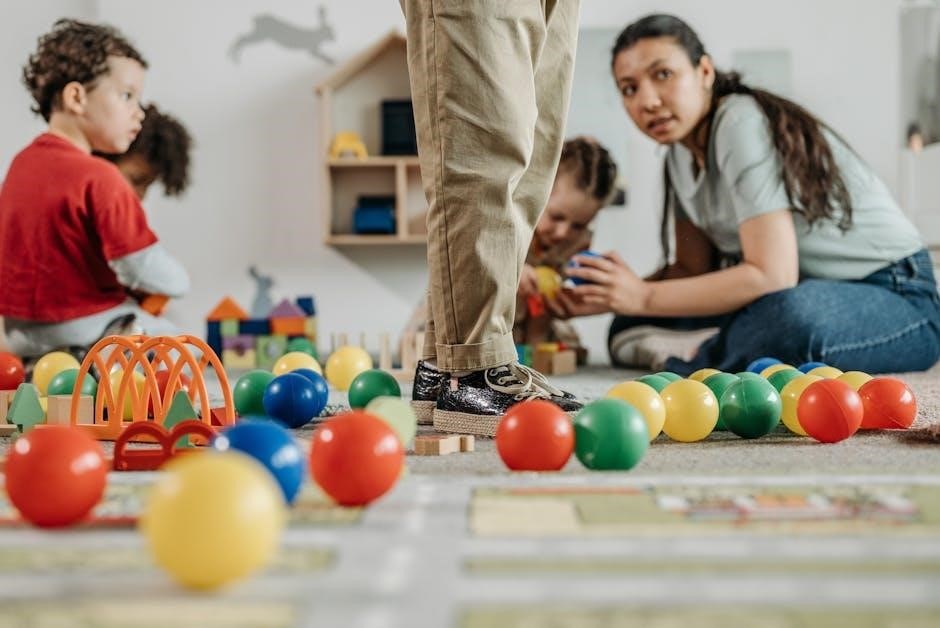
Deep breathing exercises are foundational SEL tools‚ offering a simple yet effective way to manage stress‚ regulate emotions‚ and enhance focus. These techniques are readily accessible and can be incorporated into the classroom routine with minimal disruption.
“Journey to Calm” utilizes breathing technique videos as engaging challenges within its digital board game format. This provides students with guided practice and visual cues‚ making it easier to learn and implement these skills independently.
Introduce various techniques like diaphragmatic breathing (belly breathing)‚ box breathing (4-7-8)‚ and alternate nostril breathing. Encourage students to practice these exercises regularly‚ even outside of dedicated SEL time.
Create a “calm down corner” in the classroom equipped with visual reminders of breathing techniques. Emphasize that these exercises aren’t just for moments of distress‚ but also for proactive self-regulation and improved concentration. Consistent practice builds emotional resilience and promotes a sense of inner peace.
“I Spy” Activities for Focus & Observation
“I Spy” is a versatile SEL activity that cultivates mindfulness‚ attention to detail‚ and observational skills – all crucial components of social-emotional intelligence. This seemingly simple game encourages students to be present in the moment and actively engage with their surroundings.
SEL Kernels suggests utilizing “Focus Binoculars” to enhance the “I Spy” experience‚ prompting students to carefully scan and describe what they observe. This adds a layer of intentionality and encourages descriptive language.
Adapt the game to focus on emotional cues. For example‚ “I spy someone demonstrating kindness” or “I spy someone using a calm voice.” This shifts the focus from objects to behaviors and emotions‚ fostering social awareness.
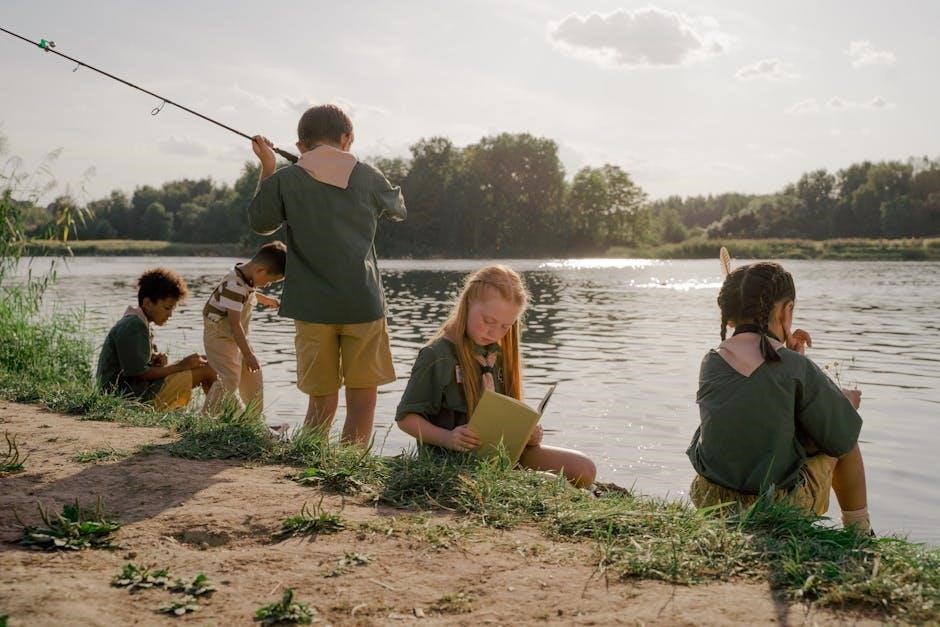
Extend the activity by asking students to reflect on their observations. How did identifying specific behaviors make them feel? What did they learn about their classmates? “I Spy” can be a powerful tool for building empathy and strengthening classroom community.
Whiteboard Reflection Prompts
Utilizing whiteboard reflection prompts is a dynamic way to encourage self-awareness and group discussion within an SEL framework. These prompts provide a structured opportunity for students to explore their feelings‚ experiences‚ and perspectives in a safe and collaborative environment.
“Journey to Calm‚” a digital board game‚ incorporates whiteboard reflections as engaging challenges. This demonstrates the effectiveness of combining technology with traditional reflective practices.
Effective prompts might include: “What is one thing you are grateful for today?” or “Describe a time you showed empathy to someone else.” More challenging prompts could ask‚ “What is a small act of kindness you can do for someone this week?”
Encourage students to build upon each other’s responses. This fosters a sense of community and promotes active listening. Whiteboard reflections are a versatile tool adaptable to various age groups and SEL competencies.

Integrating SEL into the Classroom
Seamlessly weave SEL into daily routines through “SEL Moments” during interactions‚ leveraging gamification tools like Mission.io‚ and utilizing calming activities such as “Journey to Calm.”
SEL Moments in Everyday Interactions
Recognizing and reflecting on small‚ everyday occurrences is key to integrating SEL organically into the classroom. These “SEL Moments” arise naturally during group work‚ conflicts‚ and even unexpected resolutions. Students don’t necessarily need dedicated lesson time; they simply require opportunities to acknowledge and contemplate these instances.
For example‚ a teacher might acknowledge a student’s mature handling of a disagreement: “You handled that conflict very maturely today.” Or‚ praise kindness: “Thank you for being kind to James when you saw he was alone at lunch.” Positive contributions can also be highlighted: “You brought a lot of positivity to our activity today‚ and I saw how that helped everyone else have a good time too.”
These brief acknowledgements foster self-awareness and encourage prosocial behaviors. They demonstrate that social and emotional skills are valued and applicable in real-world situations‚ extending beyond academic performance. Consistent‚ mindful observation and positive reinforcement are powerful tools for cultivating a supportive and emotionally intelligent classroom environment.
Using Gamification for SEL (Mission.io)
Seamlessly blend Social-Emotional Learning (SEL) into classroom activities with online gamification tools like Mission.io. This platform allows SEL to integrate naturally as students collaborate and work together on various tasks‚ transforming learning into an engaging and interactive experience.
Mission.io provides a dynamic environment where students can practice essential SEL competencies – such as communication‚ empathy‚ and conflict resolution – within the context of game-based challenges. This approach fosters a sense of ownership and motivation‚ encouraging students to actively participate in their own social and emotional development.
By leveraging the power of gamification‚ educators can create a more positive and supportive classroom culture. It moves beyond traditional methods‚ offering a fun and effective way to build crucial life skills that extend far beyond academic achievement. Every subject is important‚ but SEL shapes who students become and how they navigate challenges.
Journey to Calm: A Digital Board Game for SEL
Introduce students to “Journey to Calm‚” a calming and interactive digital board game designed to promote social-emotional wellbeing. Created using a Hotspot Image widget‚ this self-paced activity offers a unique and engaging way to explore core SEL competencies.
Students navigate through distinct zones within the game‚ encountering a variety of challenges thoughtfully crafted to reinforce emotional intelligence. These challenges include completing daily affirmation puzzles‚ participating in whiteboard reflection prompts‚ and accessing guided breathing technique videos – all designed to foster self-awareness and emotional regulation.
“Journey to Calm” provides a safe and supportive space for students to practice essential SEL skills at their own pace. It’s a valuable tool for educators seeking to integrate SEL into the classroom in a fun‚ accessible‚ and impactful manner‚ promoting a positive learning environment.
SEL Kernels: Adaptable Activities for Families
“SEL Kernels” provides a collection of adaptable activities initially designed for teachers‚ but easily modified for meaningful family engagement. These kernels offer simple yet powerful ways to integrate social-emotional learning into everyday life‚ strengthening bonds and fostering emotional intelligence within the home.
One engaging example is the “I Spy” activity‚ where students (or family members!) use “Focus Binoculars” to observe and guess what the teacher or another participant is focusing on. This promotes mindful observation and attention to detail. Beyond specific activities‚ “SEL Kernels” encourages discussions around values like charity‚ offering ideas for families to participate in giving back to their community.
These kernels emphasize the importance of self-motivation as a core component of social-emotional development. By incorporating these activities‚ families can cultivate a supportive environment where emotional wellbeing is prioritized and nurtured.
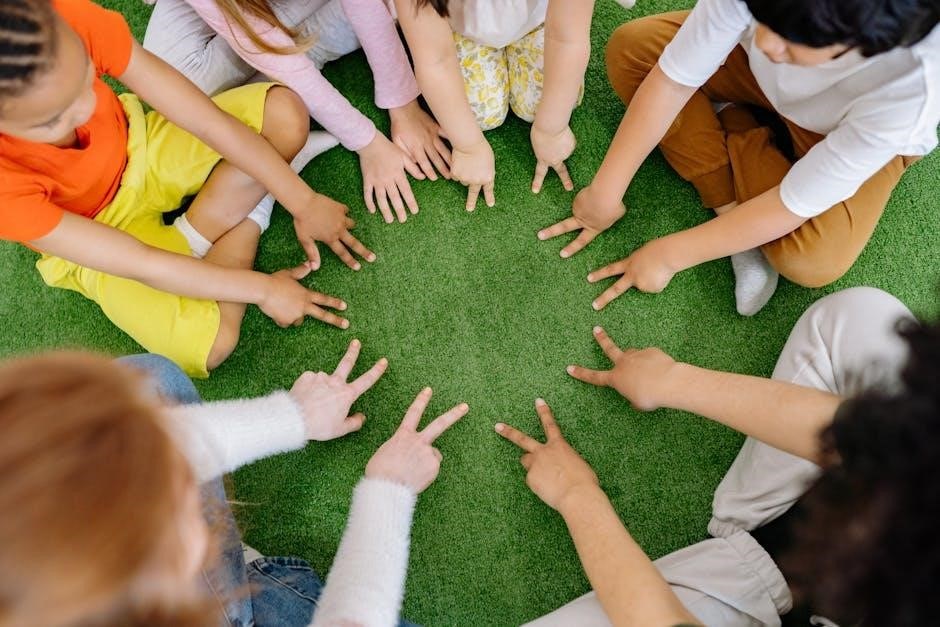
Cultivating Prosocial Motivations
SEL nurtures engaged citizenship through empathy‚ morality‚ and civic awareness‚ extending beyond self-interest. It empowers students to positively shape their academic‚ social‚ and vocational life pathways.
SEL and Engaged Citizenship
Social-Emotional Learning (SEL) extends far beyond the classroom‚ actively cultivating engaged citizenship within students. It guides them to contribute meaningfully to their communities and society‚ driven by core values like empathy‚ a strong moral compass‚ and heightened civic awareness. This goes beyond simply focusing on individual needs; SEL fosters a sense of responsibility towards others and the world around them.
Through SEL‚ students learn to understand diverse perspectives‚ navigate complex social situations‚ and collaborate effectively with peers. They develop the ability to recognize injustice‚ advocate for positive change‚ and participate responsibly in democratic processes. SEL empowers them to become proactive‚ compassionate‚ and informed members of society‚ ready to tackle challenges and build a better future for all. It’s about fostering a generation that not only succeeds individually but also contributes to the collective good.
Ultimately‚ SEL equips students with the skills and dispositions necessary to be active‚ engaged‚ and responsible citizens‚ shaping a more just and equitable world.
SEL for Personal and Interpersonal Growth
Social-Emotional Learning (SEL) is fundamentally about fostering holistic development – nurturing both personal awareness and the ability to build strong‚ healthy relationships. It empowers students to understand and effectively manage their emotions‚ recognizing how these internal states influence their thoughts and behaviors. This self-awareness is the cornerstone of personal growth‚ allowing for increased self-regulation and resilience.
Furthermore‚ SEL cultivates essential interpersonal skills‚ such as empathy‚ active listening‚ and constructive communication. Students learn to navigate social complexities‚ resolve conflicts peacefully‚ and collaborate effectively with others. These skills are vital for building meaningful connections‚ fostering positive relationships‚ and thriving in diverse environments.
By developing these competencies‚ SEL unlocks students’ potential to lead fulfilling lives‚ both personally and professionally‚ positively influencing their academic‚ social‚ and vocational pathways.
The Role of SEL in Life Pathways
Social-Emotional Learning (SEL) isn’t confined to the classroom; it’s a foundational skillset that profoundly shapes life’s trajectory. SEL equips students to intelligently leverage their emotions‚ positively influencing the directions their academic‚ social‚ and vocational lives take. This newfound personal awareness and enhanced interpersonal faculties are critical for navigating complex challenges.
SEL fosters engaged citizenship‚ encouraging students to actively contribute to their communities guided by empathy‚ morality‚ and civic awareness. It extends beyond self-interest‚ promoting a sense of responsibility towards others and the wider world.
Through SEL‚ students develop the capacity to make responsible decisions‚ build strong relationships‚ and pursue meaningful goals. Ultimately‚ SEL empowers them to become well-rounded individuals prepared to thrive in all aspects of life‚ fostering resilience and adaptability along the way.
Feedback Beyond Academic Results
Shifting the focus beyond grades unlocks the true potential of SEL. Acknowledge and reinforce positive social-emotional behaviors with specific‚ heartfelt feedback. For example‚ “You handled that conflict very maturely today‚” or “Thank you for being kind to James when you saw he was alone at lunch.”
Recognize contributions to the classroom climate: “You brought a lot of positivity to our activity today‚ and I saw how that helped everyone else have a good time too.” These small SEL moments – during group work‚ conflicts‚ or unexpected resolutions – are opportunities for recognition and reflection.
All students need a chance to identify and internalize these positive interactions. Consistent‚ thoughtful feedback cultivates a supportive environment where emotional intelligence flourishes‚ reinforcing prosocial behaviors and fostering a sense of belonging.